

Kenya’s Food Prices & the “Cartels” Debate: What’s Really Driving the Bill in 2025?
Kenya’s food prices are once again in the spotlight in 2025, with inflation putting pressure on households nationwide. A recent COMESA Competition Commission report has reignited the debate over whether “cartels” in agriculture and energy are driving price hikes. While the term sparks strong political reactions, the reality is more complex than many headlines suggest.
Maize: More Than Just Middlemen
Maize flour — a staple in almost every Kenyan home — has seen prices rise over 15% year-on-year. While miller cartels are often blamed, agricultural economists point instead to reduced harvests caused by erratic rainfall and persistently high production costs. Fertilizer remains expensive, limiting smallholder farmer competitiveness. In 2025, supply bottlenecks are playing a bigger role than outright price-fixing.
Sugar: Between Imports and Local Mills
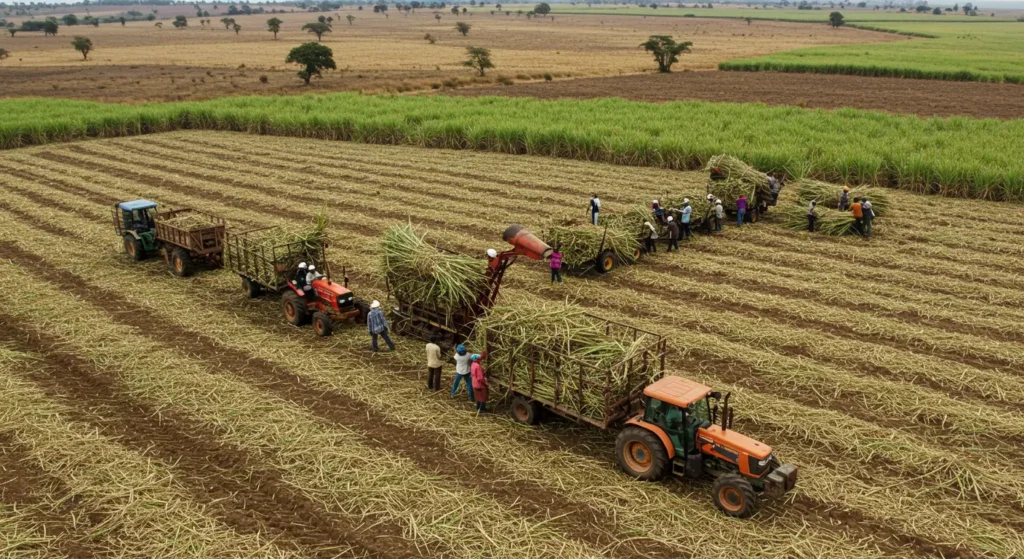
Sugar prices have surged nearly 20% in early 2025. COMESA notes that market concentration among a handful of millers can amplify price shocks. However, reduced sugarcane harvests due to pest infestations and delayed replanting cycles have played a key role. Import delays from Tanzania and Uganda have also tightened supply.
LPG: The Cooking Gas Pinch
Liquefied Petroleum Gas (LPG) prices are up by about 12% in Q1 2025, frustrating urban and peri-urban households. While some allege import cartels, analysts highlight other factors: port congestion, a weaker shilling, and volatile global oil prices.
Fertilizer Costs and Farm Gate Prices
Despite government subsidies, fertilizer costs remain high due to global supply chain disruptions and Kenya’s limited domestic production. High input prices push up farm-gate prices for cereals, vegetables, and pulses, fueling food inflation across the board.
Are “Cartels” the Only Culprit?
While cartel activities have been documented in Kenya before, current data suggests that structural challenges — poor infrastructure, climate unpredictability, and slow policy responses — are equally, if not more, responsible for price increases.
Impact on Households
For families, rising maize and sugar prices hit hardest among low-income earners, while LPG price hikes squeeze urban budgets. Food and energy inflation often ripple through the economy, raising the cost of transport, services, and manufactured goods.
The Policy Path Ahead
Experts recommend a multi-pronged strategy: enforce competition rules, invest in local production, improve storage and transport infrastructure, and reduce dependency on imports for sugar and LPG. Addressing these root causes could bring lasting stability.
Kenya’s food price story in 2025 is not just about cartels. It’s about weather, global markets, infrastructure, and governance — and solving it will require more than breaking a few monopolies.