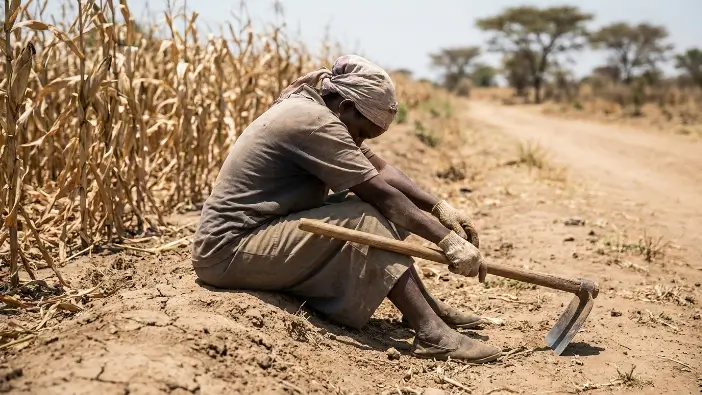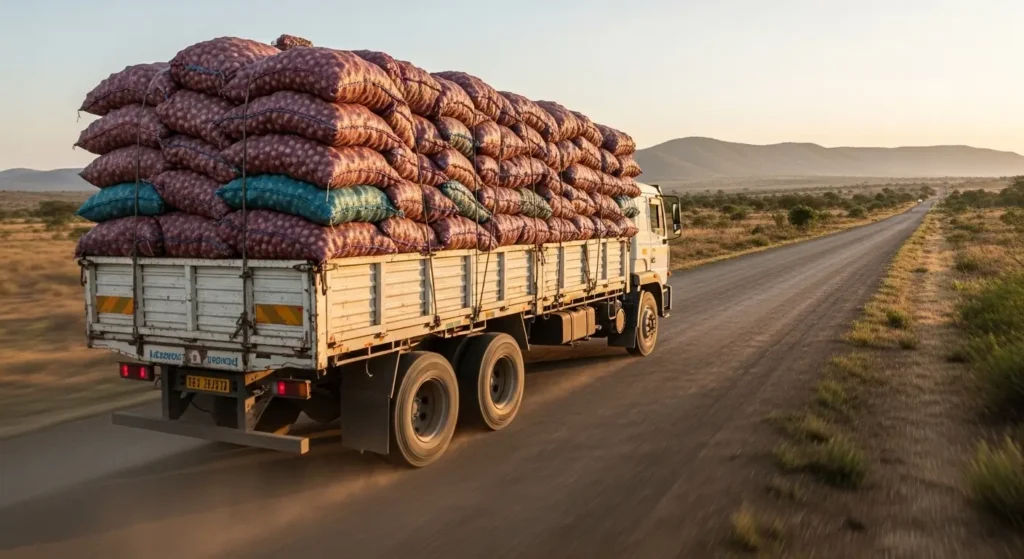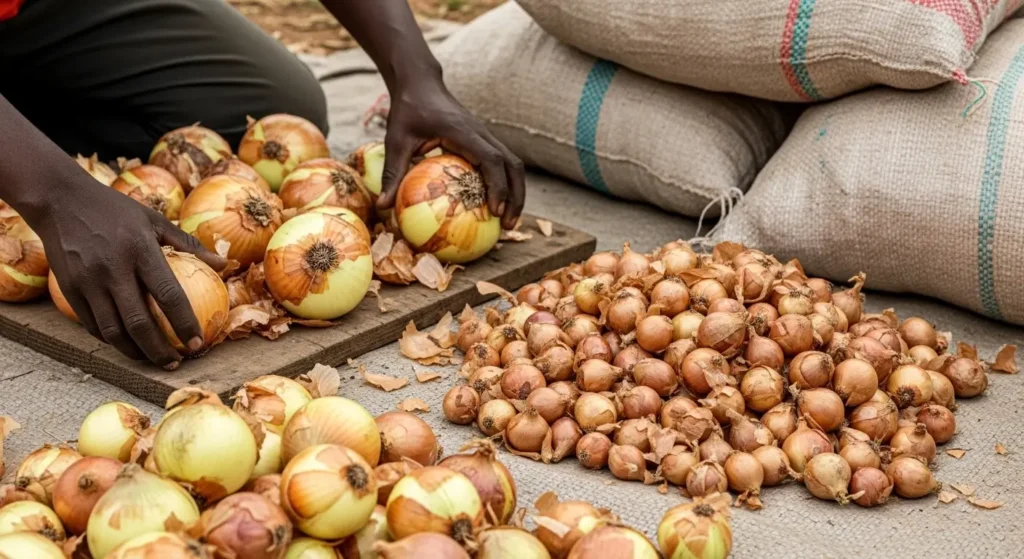


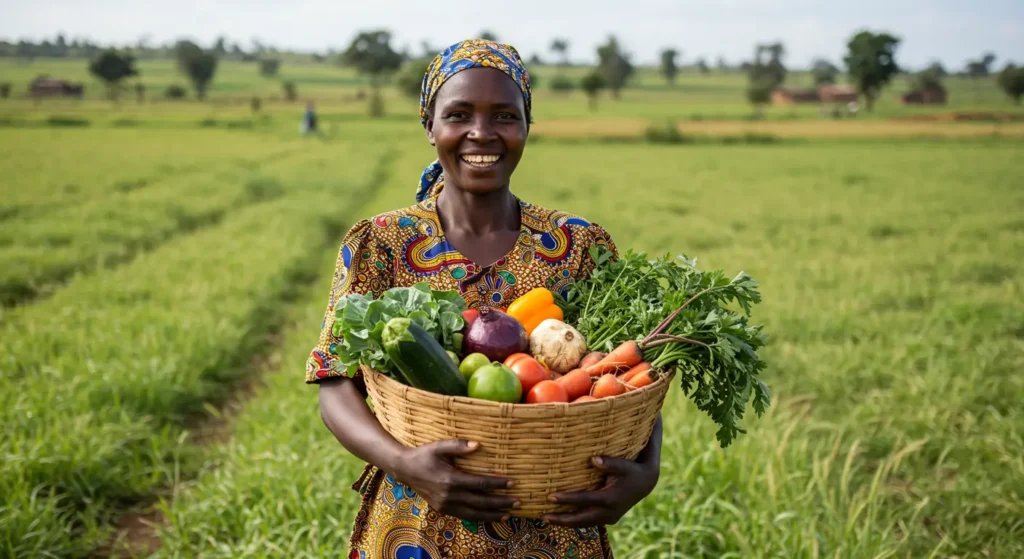
The irony is striking: the very individuals who guarantee household food security are also the ones most excluded from the financial gains of agriculture. Most women farmers remain confined to subsistence production, growing maize, beans, and vegetables for local use or small sales, while men dominate the more profitable export crops and processing industries. This structural imbalance locks women out of billions of shillings in economic potential.
The obstacles begin with land. Only about one percent of Kenyan women have registered land titles in their name. Customary inheritance laws often prevent them from inheriting family farms, and even when they do, the plots are usually smaller and less fertile. Without secure land rights, women cannot use property as collateral for loans, which effectively locks them out of agricultural financing. Microfinance has tried to fill the gap, but its high interest rates often deepen financial strain rather than solve it.

Credit is not the only barrier. Women farmers are routinely excluded from the bigger markets where prices are better. Many remain trapped in informal local markets where margins are slim and exploitation by middlemen is common. Even when opportunities exist to join cooperatives or export associations, women often find the networks dominated by men who have easier access to training, equipment, and capital.
The lack of training and exposure to modern farming technologies further widens the gap. Agricultural extension services have traditionally targeted men, assuming they are the decision-makers. Women miss out on critical knowledge about improved seeds, irrigation techniques, mobile-based insurance, or digital platforms for selling produce. As technology continues to transform farming, the gender divide risks becoming even more entrenched.
Yet research shows that if women had equal access to resources, farm yields could increase by as much as thirty percent. For Kenya, that would mean millions more families achieving food security, and billions in added agricultural revenue. The ripple effects go far beyond the fields. Studies show women reinvest up to ninety percent of their income into their families through health, education, and nutrition. In contrast, men reinvest around thirty to forty percent. Empowering women farmers is therefore not just a gender issue—it is an economic strategy with household, national, and even global benefits.
There are already success stories that prove this point. In Meru and Nyeri, women-led dairy cooperatives have transformed livelihoods. By pooling resources, the farmers purchased milk coolers and transport trucks, allowing them to negotiate directly with large processors. Where they once sold milk for twenty shillings a liter, they now fetch forty to forty-five, doubling household incomes. Similar examples exist in mango-growing regions of Machakos, where women’s groups have secured export contracts. These models demonstrate that when barriers are removed, women thrive in commercial farming and drive entire communities forward.
Still, the bigger picture reveals a missed billion-dollar opportunity. Globally, agribusiness is no longer just about cultivation. The real wealth lies in value addition, branding, and exports. Kenya’s women are nearly invisible in this space. Few own processing plants for milk, coffee, or fruits. Few control avocado or macadamia export channels. Most remain stuck at the primary production stage where profits are lowest and risks are highest. Investing in women-owned agribusiness ventures would unlock a new generation of entrepreneurs who can compete globally.
The solutions are clear. Gender-sensitive land reforms are needed to enforce equal inheritance rights and simplify land title registration. Financial products should be redesigned to work without traditional collateral, allowing women to access credit based on group guarantees or farm productivity. Extension services must be tailored for women, using female officers, community groups, and even radio platforms to deliver training. Finally, markets need to be opened through women’s cooperatives, government procurement quotas, and partnerships that connect women farmers directly to international buyers.
Kenya cannot afford to continue sidelining half of its agricultural workforce. Women are not just farmers; they are investors, innovators, and custodians of food security. Empowering them is not an act of charity but an act of economic intelligence. The evidence is overwhelming: when women are given equal resources, they outproduce expectations, lift households out of poverty, and fuel national growth.
The future of Kenyan agribusiness depends on making women equal stakeholders in the sector. The sooner systemic barriers are dismantled, the sooner the country will harvest the billions currently locked away by inequality. Women have already shown what is possible in small cooperatives and local ventures. With policy reforms, financing, and innovation, they can move from the margins of subsistence farming to the center of agribusiness leadership. And when they do, it will not only transform Kenya’s economy but also reshape Africa’s food security for generations to come.