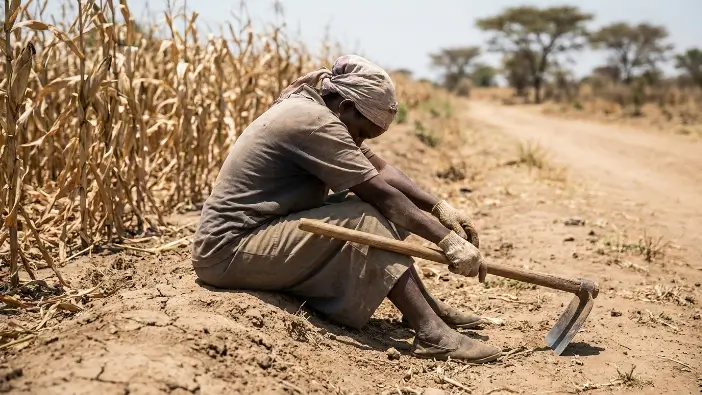


Kenya’s agriculture sector, which supports millions of smallholder farmers, is facing increasing challenges from unpredictable rainfall, prolonged droughts, and rising temperatures.
To address these challenges, farmers are turning to climate-smart agriculture (CSA) practices that increase productivity while promoting sustainability.

Drought-resistant crops, such as new maize and sorghum varieties, are being adopted in arid and semi-arid regions, helping farmers maintain yields despite erratic weather.
Irrigation technologies, including drip irrigation and solar-powered pumps, are becoming more common, allowing farmers to water crops efficiently even during dry spells.
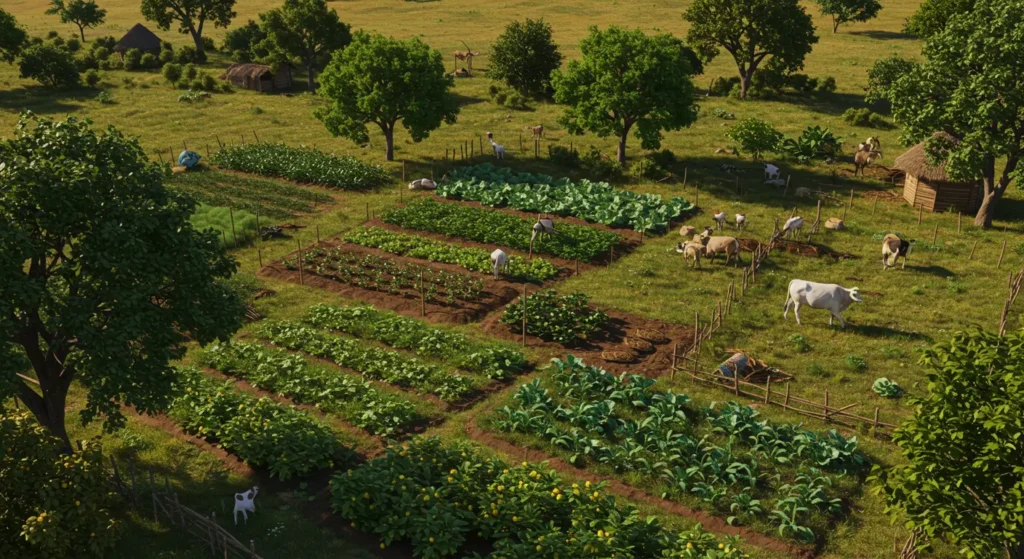
Agroforestry, the integration of trees with crops or livestock, is helping improve soil fertility, reduce erosion, and provide additional income through fruit, timber, or fodder.
Farmers are also experimenting with crop rotation and intercropping to maintain soil health, reduce pests, and increase resilience to climate shocks.
Digital tools and mobile apps are helping farmers access weather forecasts, market information, and early warning systems, allowing them to plan planting and harvesting better.

Government programs and NGOs are supporting these initiatives through training, subsidies, and demonstration farms, ensuring that smallholder farmers can adopt CSA techniques effectively.
The benefits of climate-smart agriculture go beyond higher yields; they also enhance food security, protect natural resources, and help farmers adapt to climate change long-term.
Experts say that scaling up CSA across Kenya could transform the country’s agricultural sector, making it more resilient, profitable, and sustainable for future generations.