


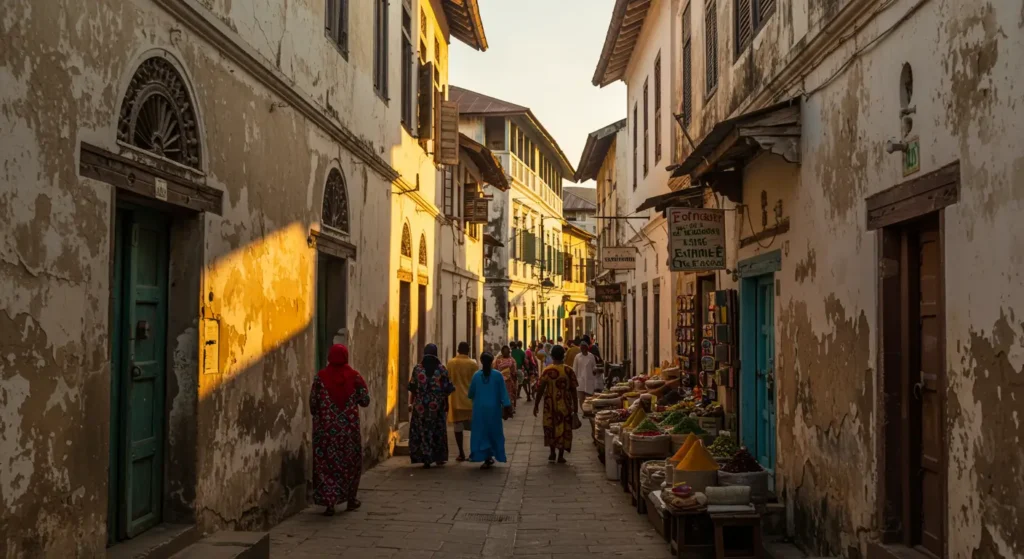
Zanzibar has always carried a mystique—its winding alleys in Stone Town, the scent of cloves drifting from spice farms, and the rhythm of taarab music echoing through centuries-old courtyards. Today, that mystique is being reimagined. Luxury resorts are rising along the coastline, turning the archipelago into one of East Africa’s premier destinations for affluent travelers. With infinity pools overlooking turquoise waters and international chefs serving curated menus, Zanzibar is competing with the Maldives and Seychelles for a share of the global luxury tourism market.
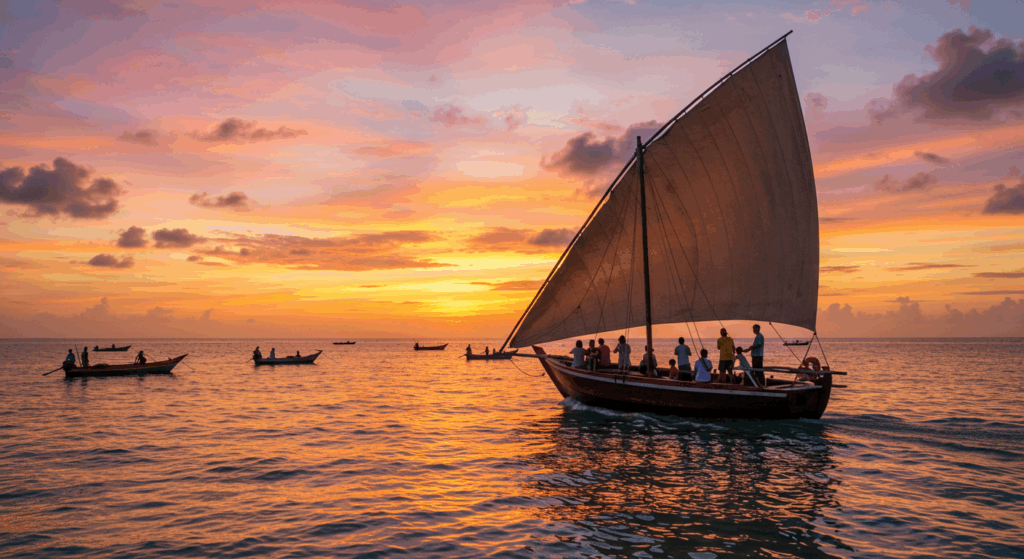
But behind the polished facades lies a deeper question: can Zanzibar embrace luxury without losing its cultural soul? While resorts bring revenue, jobs, and visibility, they also risk overshadowing the authentic experiences that make the island unique. Local fishermen increasingly find their traditional beach access restricted by private developments, and residents of Stone Town worry about commercialization threatening its UNESCO World Heritage charm. Visitors drawn by glossy brochures may spend their days within resort walls, leaving little opportunity to engage with Swahili culture, crafts, and community life.
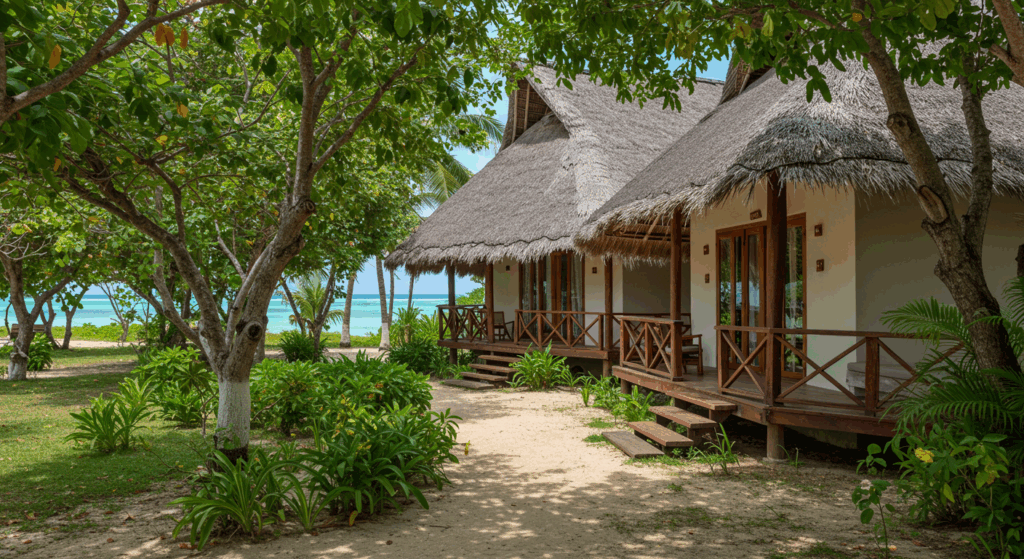
Yet, the transformation is not entirely one-sided. Some boutique hotels and eco-lodges are blending comfort with authenticity, drawing inspiration from Swahili design, sourcing food from local markets, and offering experiences like dhow sailing or spice tours. These ventures hint at a model where economic growth and cultural preservation can coexist. For many Zanzibaris, the path forward lies in balance: luxury should not erase tradition but rather showcase it in ways that honor the island’s heritage.
Zanzibar’s tourism future depends on choices being made today. If luxury continues to dominate unchecked, the island risks becoming a postcard version of itself, polished for outsiders but disconnected from its people. If cultural authenticity remains at the heart of its tourism strategy, however, visitors may discover something rarer than marble floors and private beaches—a destination that welcomes prosperity without sacrificing identity.