

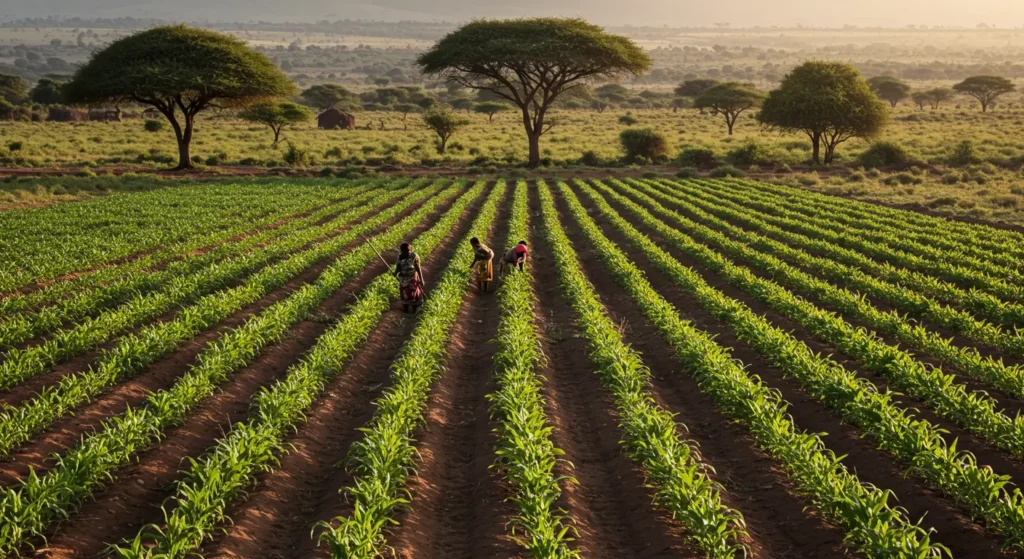
Across Kenya, women farmers are transforming landscapes through agroforestry, combining tree planting with crops to fight deforestation and improve food security. These initiatives are spreading in arid and semi-arid regions where land degradation threatens livelihoods.
Agroforestry integrates trees, crops, and sometimes livestock, creating a system that restores soil fertility and captures carbon. Women-led projects are empowering local communities while contributing to national climate goals. Partnerships with NGOs and government programs provide training, seedlings, and financial support. These initiatives also help reduce vulnerability to drought and erratic rainfall.
in Kitui County, groups of women have planted thousands of trees alongside maize and legumes. The trees prevent soil erosion, improve moisture retention, and provide fruits and timber for income. Local cooperatives organize training sessions and help women access microloans to scale their agroforestry efforts. The impact is measurable: increased crop yields and additional household income. Experts note that women’s involvement is key to long-term sustainability. Communities report that these practices also improve nutrition and resilience against climate shocks.
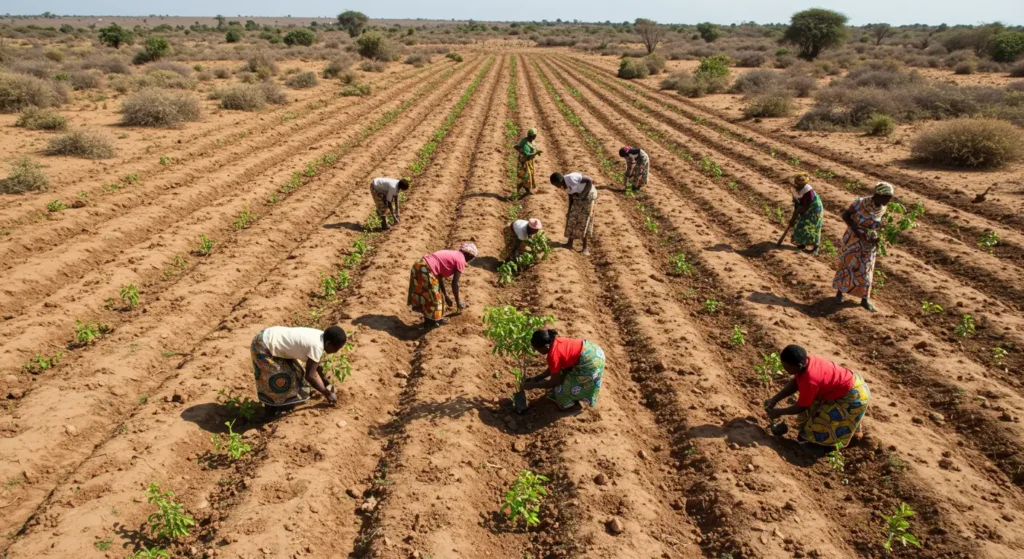
In Makueni County, women farmers have partnered with climate NGOs to adopt innovative agroforestry techniques. The use of nitrogen-fixing trees enhances soil fertility and reduces the need for chemical fertilizers. Women-led groups manage nurseries and coordinate planting schedules across multiple villages. This collaborative approach fosters knowledge-sharing and strengthens local climate adaptation networks. Donors and international agencies have recognized these efforts as models for Africa. The programs demonstrate how women can lead solutions to climate and environmental challenges.
Agroforestry also contributes significantly to Kenya’s carbon sequestration efforts. Trees planted on farms capture carbon dioxide while providing shade and improving biodiversity. Women farmers monitor growth and maintain the trees, ensuring long-term impact. Training programs teach agroecology principles, pest management, and sustainable harvesting methods. These practices align with Kenya’s National Climate Change Action Plan. They also support international goals such as the UN Sustainable Development Goals.
Access to finance has been a major enabler for women-led agroforestry. Microloans and grants from local banks, NGOs, and climate funds allow women to purchase seedlings and irrigation systems. Community savings groups also provide seed funding for expansion projects. Funding is often tied to measurable outcomes, such as hectares planted or carbon sequestered. This encourages accountability and ensures resources are effectively used. The result is a sustainable model for climate-resilient agriculture.
The social impact of these initiatives is significant. Women gain leadership roles within their communities and contribute to decision-making on natural resource management. Families benefit from increased income, better nutrition, and education opportunities for children. Local youth are often involved, learning climate-smart techniques for future adoption. Communities report higher engagement in environmental protection initiatives. The programs also foster collaboration between local governments, NGOs, and international agencies. This multi-stakeholder approach strengthens the overall impact of climate action projects.
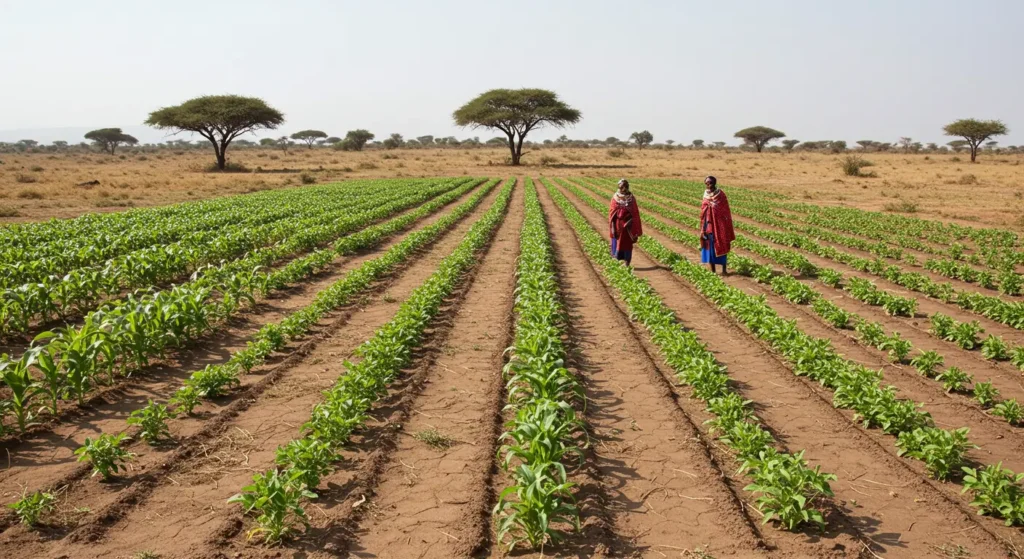
Women-led agroforestry is attracting attention beyond Kenya’s borders. Researchers and international donors are studying these projects as examples of successful climate adaptation. Case studies have been presented at regional workshops and climate forums. The approaches demonstrate that local knowledge combined with technical support can produce scalable solutions. Recognition has also helped women access additional funding and technical assistance. Their work is inspiring similar programs across East Africa.
Challenges remain, including land tenure issues, climate variability, and limited access to markets. However, women’s determination and community support have mitigated many obstacles. Continued training, policy support, and financing are crucial for expansion. The integration of trees and crops also requires ongoing monitoring and adaptation. Despite these challenges, the successes of women-led agroforestry are clear. They offer a replicable model for sustainable, climate-resilient agriculture in Africa.
Kenya’s experience shows the power of women as agents of change in climate action. Agroforestry initiatives enhance environmental resilience while improving livelihoods. They demonstrate the potential of community-led solutions to meet national and global climate goals. Continued support from governments, NGOs, and international agencies will be essential. Women farmers are proving that sustainable agriculture can drive economic, social, and environmental benefits simultaneously. Their leadership in agroforestry is shaping the future of Kenya’s climate resilience.