

When most people think of travel in Africa, they imagine luxury safari lodges, bustling cities or iconic landmarks like Victoria Falls or Table Mountain. But the future of African tourism isn’t in the well-trodden paths it’s in the rural heartlands. Africa’s villages, small towns and farmlands are emerging as the ultimate destinations for authentic experiences, sustainable tourism and transformative travel.
Rural Africa offers a raw, unfiltered connection to culture, community and the environment. Travelers today crave more than luxury they want stories, experiences and purpose. They want to eat what locals eat, learn traditional crafts and witness landscapes untouched by mass tourism. This shift is not just a trend; it’s a global movement. Countries like Rwanda, Ghana and Kenya are already capitalizing on agritourism, cultural tourism and eco-tourism initiatives that are redefining what it means to visit Africa.
Authenticity is the New Luxury
Luxury is no longer about marble floors and five-star service .It’s about authentic experiences that create emotional connection. Rural Africa offers this in abundance. Imagine spending a morning harvesting tea with local farmers in Kericho, Kenya or learning basket weaving from artisans in Ghana’s Northern Region. These experiences immerse travelers in daily life, creating memories that are irreplaceable and deeply personal.
The value of authenticity also resonates with global travelers who increasingly prioritize sustainability and meaningful impact. Eco-conscious tourists are willing to pay a premium for stays that contribute directly to communities and conserve local ecosystems. This is where rural tourism in Africa has a competitive advantage: it blends culture, community and sustainability in ways urban tourism rarely can.
Rural Tourism Drives Economic Growth
Beyond experiences, rural travel has tangible economic benefits. Tourists in rural areas spend money on accommodations, local produce, crafts and guided experiences. Every meal eaten, every souvenir bought and every community tour booked directly supports local families. Unlike large resorts or international hotel chains, rural tourism keeps revenue circulating within the community reducing economic leakage and empowering locals to maintain their cultural heritage.
Investing in rural tourism is also an investment in infrastructure and skills development. Roads, digital connectivity and training for local guides create long-term benefits for both residents and travelers. Governments and private investors are starting to recognize that supporting rural tourism is not just good business .It’s a sustainable growth strategy for the continent.
Agri- and Eco-Tourism: Africa’s Untapped Goldmine
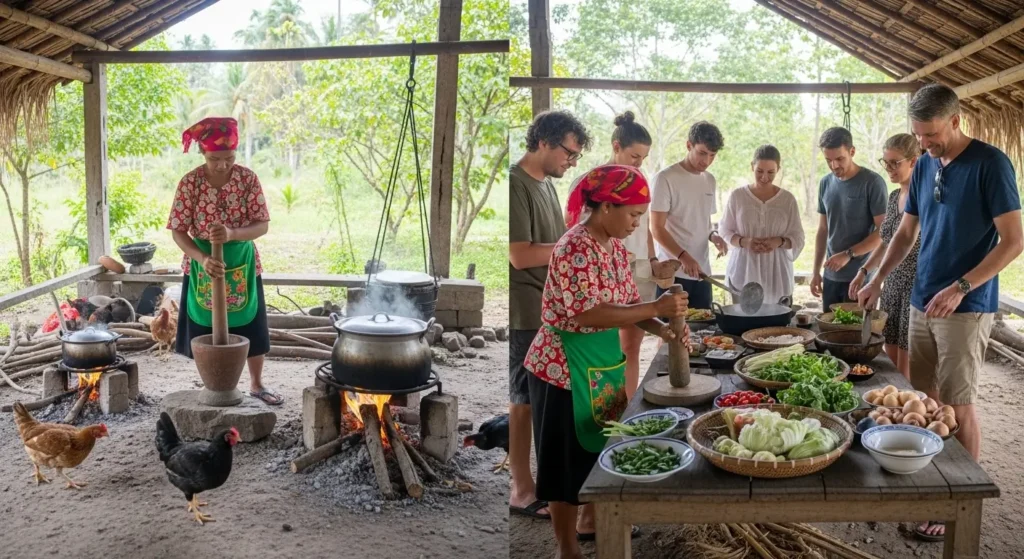
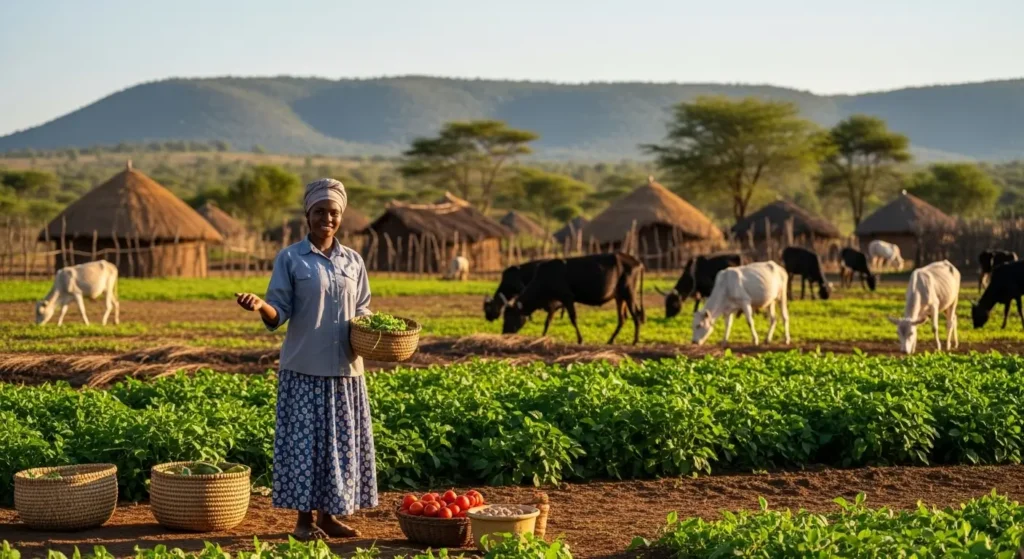
One of the most promising avenues for rural tourism is agritourism and eco-tourism. Visitors increasingly seek experiences that connect them to food systems, conservation and sustainability. Farms, ranches and eco-lodges across Africa offer hands-on activities such as harvesting, cooking traditional dishes, wildlife tracking and guided nature walks.
These experiences are highly monetizable and globally appealing. Travelers from Europe, North America and Asia are willing to pay for workshops, farm-to-table meals and cultural immersion experiences that urban hotels can’t provide. For African entrepreneurs and rural communities, this creates an opportunity to monetize traditional lifestyles and environmental stewardship while building international networks and recognition.
Digital Platforms Are Bridging the Gap
Technology is accelerating rural tourism faster than ever. Platforms like Airbnb, Booking.com and local equivalents now list village homestays, eco-lodges, and farm experiences. Social media amplifies visibility, allowing rural destinations to reach global audiences directly. Travelers don’t have to rely on tour operators they can discover hidden gems online, read reviews and book authentic experiences in seconds.
Digital storytelling is especially powerful. Videos of local farmers, artisans or eco-lodges sharing their daily lives attract international attention, sponsorships and media coverage. With proper online marketing, rural Africa can compete on the same stage as luxury resorts and urban destinations, proving that authenticity can be a global brand.
Challenges and Opportunities
Rural tourism isn’t without challenges. Limited infrastructure, inconsistent connectivity, and lack of professional training can hinder growth. However, these are not insurmountable barriers they are opportunities for innovation. Partnerships with NGOs, government programs and private investors can provide training, marketing support and infrastructure development.
Africa’s rural tourism sector is a blank canvas for innovation. Entrepreneurs can combine sustainability, technology, culture and hospitality to create experiences that are globally competitive while deeply rooted in local identity. Those who act now will lead the continent’s next tourism revolution.
Why Rural Africa Will Define Travel’s Future
The future of African travel is rural because authenticity, sustainability and community-driven experiences are what the global traveler increasingly values. Rural tourism offers experiences that cannot be replicated elsewhere hands-on cultural immersion, intimate wildlife encounters and meaningful engagement with communities. It creates economic impact, preserves traditions and fosters sustainable growth.
Africa’s villages, farms, and small towns are more than destinations they are opportunities for global storytelling, cultural diplomacy and economic empowerment. Travelers seeking the real Africa will no longer be satisfied with luxury hotels and safari lodges alone. They want to experience life, culture and community. And rural Africa is ready to deliver.