

And Why the Words Matter More Than Ever Now
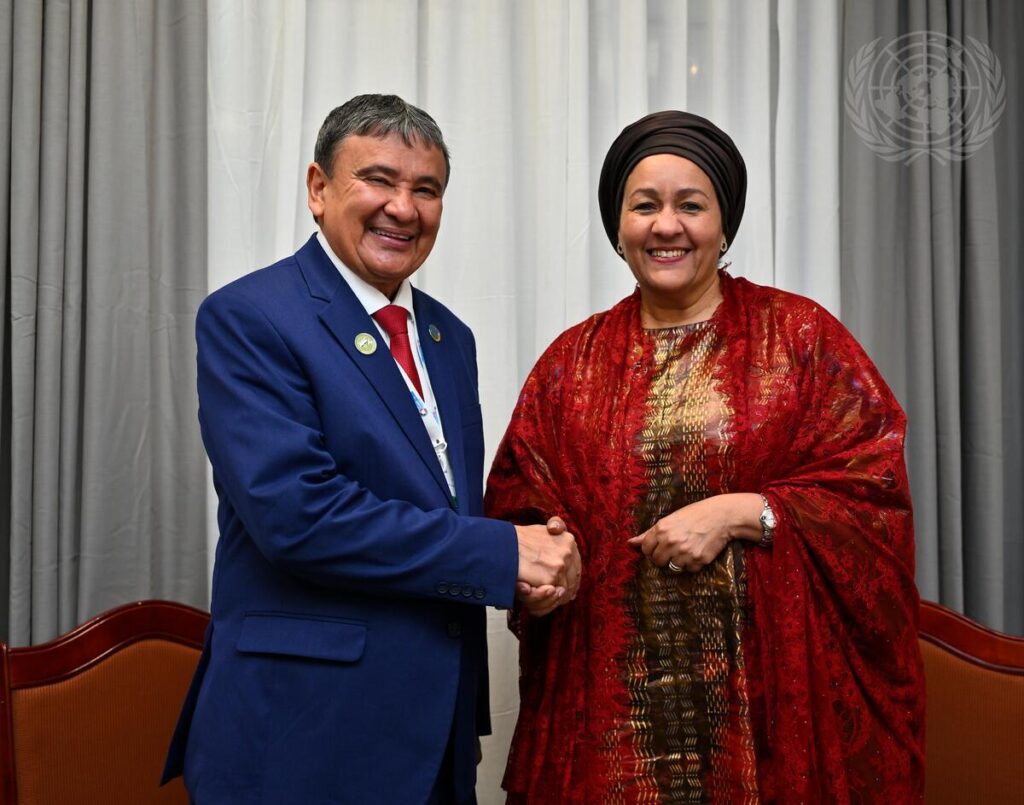
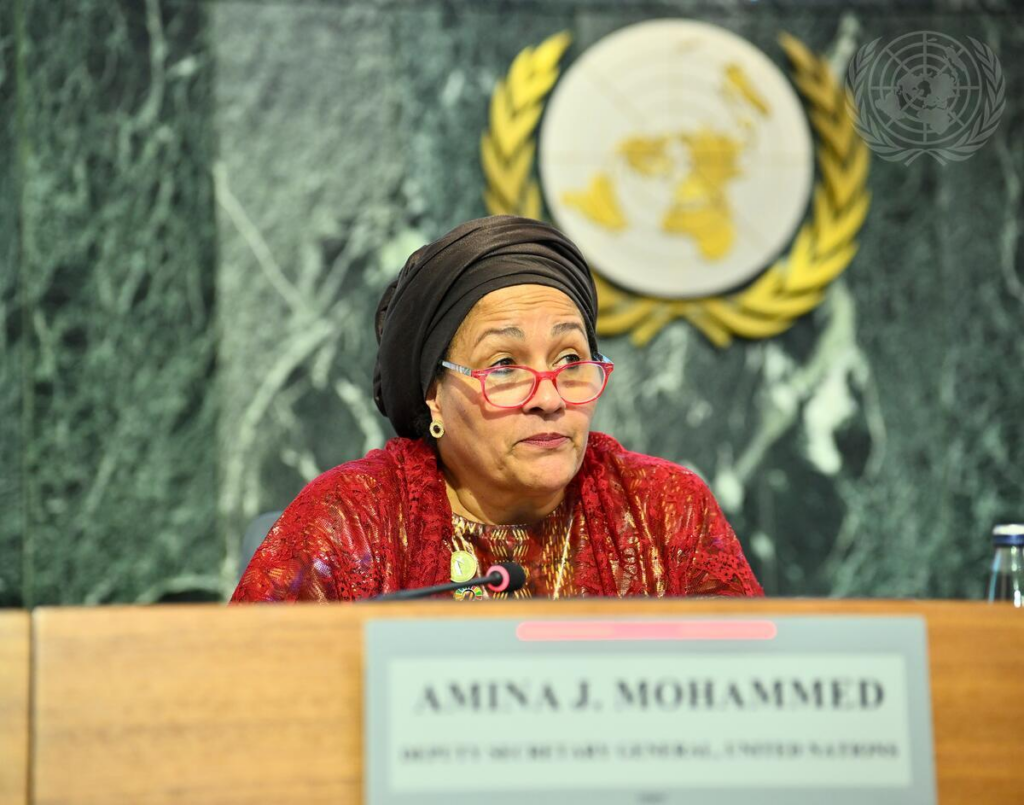
In February 2025, UN Deputy Secretary General Amina Mohammed stood in Nairobi and said something that food systems practitioners across Africa had been waiting to hear from the highest levels of the global institution.
She did not speak about Africa as a continent in deficit. She did not arrive with solutions developed elsewhere and delivered to Nairobi for implementation. She named the structural reality with the precision of someone who understands food systems from the inside. “Women grow 60 per cent of Africa’s food but own less than 20 per cent of the land. Young people are at the vanguard of innovative agriculture but cannot access the financing that supports them.”
That sentence stopped me. Not because it was new information every food systems strategist on this continent knows those numbers. It stopped me because it came from the second highest office in the United Nations, standing on African soil, naming the structural injustice that sits at the foundation of everything the global food systems process is trying to change.
“Food systems are about more than food. They are about health, nutrition, climate, decent work justice and dignity and the right to a better future.”
That framing food systems as a justice question, not a production question is the intellectual foundation of the Africa food systems transformation 2025 story. And it is why, in March 2026, with the Kampala Declaration now in force and the UNFSS+4 outcomes being translated into national action plans across the continent, the words spoken in Addis Ababa and Nairobi last year matter more than ever.
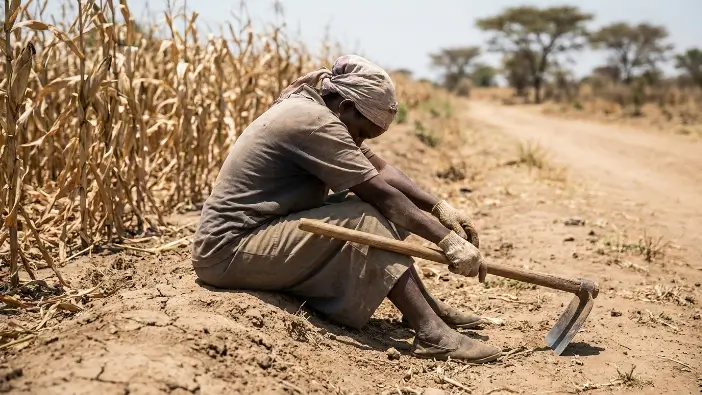
The summit has passed. The declarations have been made. The choices that present and future generations depend on are being made right now in budget rooms, in parliament buildings, in agricultural ministries and on the farms where the women who grow 60 percent of Africa’s food are still waiting for the land title, the credit line, and the extension service that the global food systems process promised them.
This is where the story of the UN Food Systems Summit stands in Africa in 2026. Not at the summit. After it.
What the UN Food Systems Summit Africa Story Actually Is
The global narrative about the UN Food Systems Summit tends to focus on the summit itself the declarations, the commitments, the number of delegations, the heads of state present. That narrative misses the most important part of the story.
Amina Mohammed expressed optimism about the potential for meaningful progress, saying: “We have the opportunity to reshape the global narrative around food systems, making them a key lever to accelerate and reinforce SDG progress.”
Reshaping the narrative. That is the work this publication exists to do. And it begins with understanding what the UNFSS+4 actually produced for Africa not as a summit outcome document, but as a shift in the terms of engagement between the global food systems process and the continent that is home to 60 percent of the world’s uncultivated arable land, the youngest agricultural workforce on earth, and 307 million people who went to bed hungry last night.
Forty-four African countries arrived at the Addis Ababa stocktake in July 2025 with national food systems pathways already integrated into government budgets and sectoral strategies. These were not produced by the UN. They were produced by African governments, African civil society, African farmers and African researchers working within their own national contexts and brought to Addis Ababa as evidence of what African led food systems transformation looks like when it is resourced and taken seriously.
The Kampala Declaration adopted by African heads of state six months before the Addis Ababa summit arrived at UNFSS+4 as the continental framework that defined Africa’s terms of engagement with the global process. A $100 billion investment target. Six strategic objectives. A ten-year timeline running to 2035. And for the first time in twenty years of the Comprehensive Africa Agriculture Development Programme parliaments at the centre of the accountability architecture.
Africa did not go to Addis Ababa to receive the global food systems agenda. Africa went to Addis Ababa to shape it.
The Four Things UNFSS+4 Must Now Deliver for Africa
Amina Mohammed closed the Addis Ababa stocktake with a challenge that named exactly what comes next. “Every person in our world rich or poor, young or old has the right to food that is accessible, affordable, safe and nutritious. Present and future generations are depending on our choices.”
Present and future generations are depending on our choices. In March 2026 those choices are being made. Four of them will determine whether the UNFSS+4 outcomes translate into the food systems transformation Africa has committed to or become the third continental framework in twenty years whose ambition outlasted its accountability.
The financing must follow the framework.
Three out of four agricultural small and medium-size enterprises in sub-Saharan Africa cannot access adequate finance. Farmers in the Global South pay far more for capital than their counterparts in developed nations. Meanwhile women farmers face even steeper barriers despite producing the majority of the continent’s food.
The Kampala Declaration’s $100 billion investment target requires concessional finance from multilateral development banks, private sector investment mobilised through de-risking instruments and most critically domestic public budget allocations that anchor the entire investment architecture. The 10 percent of national budgets pledged to agriculture in Maputo in 2003 and reaffirmed in Malabo in 2014 has been delivered by fewer than a third of AU member states in any given year.
The parliamentary accountability architecture built into the Kampala Declaration through the African Food Systems Parliamentary Network and its Ten-Year Parliamentary Call to Action is the most credible response to that chronic delivery gap that the CAADP process has ever produced. Whether legislatures use that mandate is the first choice that present and future generations are depending on.
Women farmers must move from the margin to the centre.
Amina Mohammed named it in Nairobi. Women grow 60 percent of Africa’s food and own less than 20 percent of the land. They receive less than 10 percent of agricultural credit. They access less than 7 percent of extension services. The Kampala Declaration’s gender-responsive implementation mandate written into the CAADP Strategy 2026 to 2035 for the first time is the policy commitment. The UNFSS+4 Youth Declaration called for inclusive, participatory decision-making that reaches women farmers in the field, not just women leaders in the conference room.
The measure of the UNFSS+4 outcomes for African women farmers is not a declaration. It is a land title. A credit line with accessible terms. An extension officer who arrives at the farm. A digital advisory platform designed for the connectivity conditions and literacy levels of the farmers who need it most. Those are the choices that determine whether the words spoken in Addis Ababa and Nairobi reach the women who produce the majority of the continent’s food.
Young people must be resourced not just celebrated.
Every major food systems gathering on the continent in 2025 featured youth prominently. The UNFSS+4 Youth Declaration crafted by more than 3,000 young people from across the world called for inclusive participatory decision-making, climate justice and intergenerational collaboration. That declaration is a powerful statement of intent. It is not yet a budget line.
Africa’s food systems cannot be transformed by the generation that built the frameworks that produced the current hunger numbers. The transformation will be built by the young Kenyan entrepreneur running a precision agriculture startup. The Senegalese agripreneur developing a climate-smart irrigation tool for smallholder conditions. The Ghanaian researcher building food traceability solutions for a supply chain that currently loses value at every step. These people are not waiting for permission. They are building. The question the UNFSS+4 outcomes must answer is whether the financing, the policy environment and the market infrastructure follow the innovation that is already happening.
The trade architecture must change.
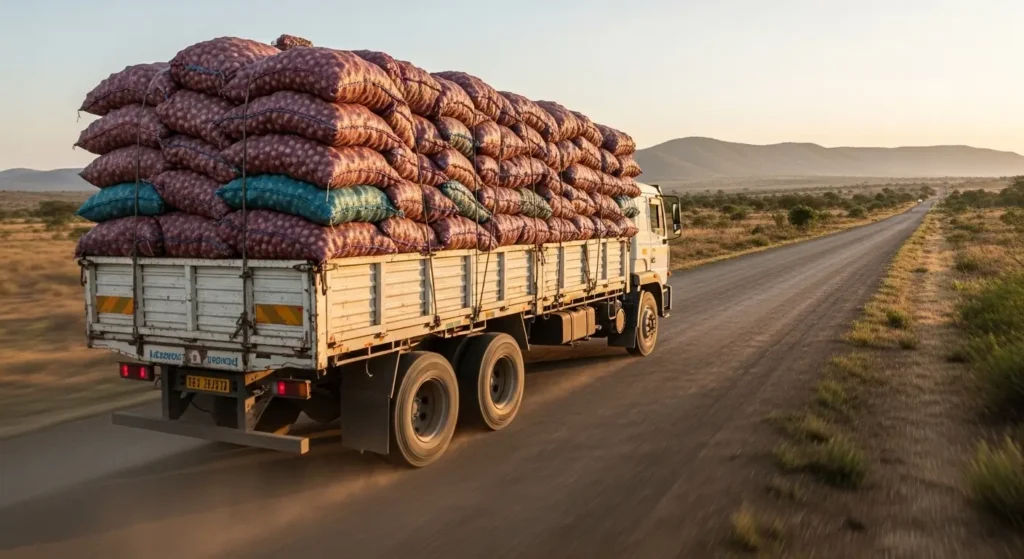
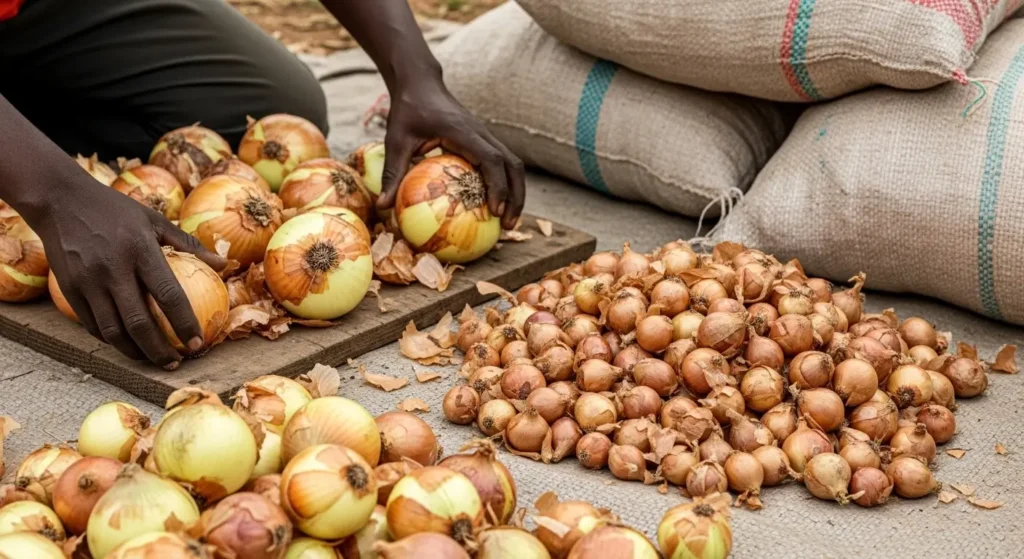
No food systems transformation framework however ambitious, however well-governed, however strongly financed at the domestic level can deliver for African farmers while the continent continues to export raw agricultural commodities and import the processed products made from them. Africa exports cocoa beans. Europe manufactures and sells the chocolate. Africa exports raw coffee.
Scandinavia captures the roasting margin. Africa exports unprocessed sesame. Asia manufactures the tahini. The African Continental Free Trade Area’s digital trade protocol and the value chain development objective of the Kampala Declaration are the interlocking policy architecture that can change these terms of trade. They need each other to deliver. And they need the international trade reform commitments made at UNFSS+4 to remove the tariff and non-tariff barriers that currently penalise African value addition at the border.
What Africa Built That the Summit Validated
The most important thing to understand about the UNFSS+4 outcomes for Africa is that the summit did not create Africa’s food systems transformation agenda. It validated what Africa had already built.
Amina Mohammed acknowledged AGRA’s African-led approach, which has been instrumental in scaling agricultural innovations to improve the lives of smallholder farmers, saying: “AGRA stands as a beacon of innovation and resilience, offering uniquely African solutions to the challenges faced by smallholder farmers. Your work is not just about increasing agricultural productivity — it is about empowering communities, ensuring food security, and building sustainable livelihoods.”
Uniquely African solutions. That phrase matters. The food systems innovations that are changing outcomes on the ground across the continent Synnefa’s soil sensors reaching 8,700 Kenyan farmers with verified 30 percent yield increases, Food4Education feeding 500,000 Kenyan children every school day by sourcing directly from smallholder farmers, Rwanda and Senegal’s governance models producing the fastest food systems progress on the continent were not designed in Geneva or Rome. They were designed in Nairobi and Kigali and Dakar by people who understood the conditions, the constraints and the opportunities of African food systems from the inside.
The UNFSS+4 gave those innovations international visibility. It connected them to the financing conversations, the policy frameworks and the global partnerships that can help them scale. That is a real contribution. The summit process does not build African food systems. But it helps the world see what Africa is building and when the world sees it, the investment conversations change.
The Standard the Words Set
Amina Mohammed said at the UNFSS+4 Investment Dialogue: “It’s time to choose innovative investment over inertia.”
That choice is the accountability standard the UNFSS+4 has set for every institution —multilateral, bilateral, continental and national that was present in Addis Ababa in July 2025.
Innovative investment over inertia means concessional finance that matches the Kampala Declaration’s ambition not fragmented project-by-project funding that produces reports instead of transformation. It means de-risking instruments that make African agricultural SMEs bankable not the continued reality where three out of four cannot access adequate finance. It means trade reform that allows African countries to add value to their agricultural commodities before export not the continued extraction of margin by processing industries located far from where the raw material grows.
Africa has produced the frameworks. The Kampala Declaration is in force. The parliamentary accountability architecture is operational. The national pathways are integrated into government budgets. The innovators are building. The farmers are farming.
What comes next is not another summit. It is the delivery of what was promised in the financing, in the trade architecture, in the domestic budget allocations and in the extension services, land title and credit lines that translate continental declarations into the daily reality of the women who grow 60 percent of this continent’s food.
Present and future generations are depending on our choices.
That is the standard. The choices being made in March 2026 in budget rooms and parliamentary chambers and agricultural ministry offices across 54 African countries and in the multilateral institutions that hold the financing the continent needs will determine whether those words were the beginning of a transformation or the latest in a long sequence of well-intentioned declarations that the hunger numbers eventually outlasted.
Africa is ready. The framework is built. The accountability architecture is in place. The innovators are moving.
The world made a promise in Addis Ababa. Now it must keep it.