

The Fossil Fuel Gap: Why Nations Are Still Planning Too Much Carbon in 2030
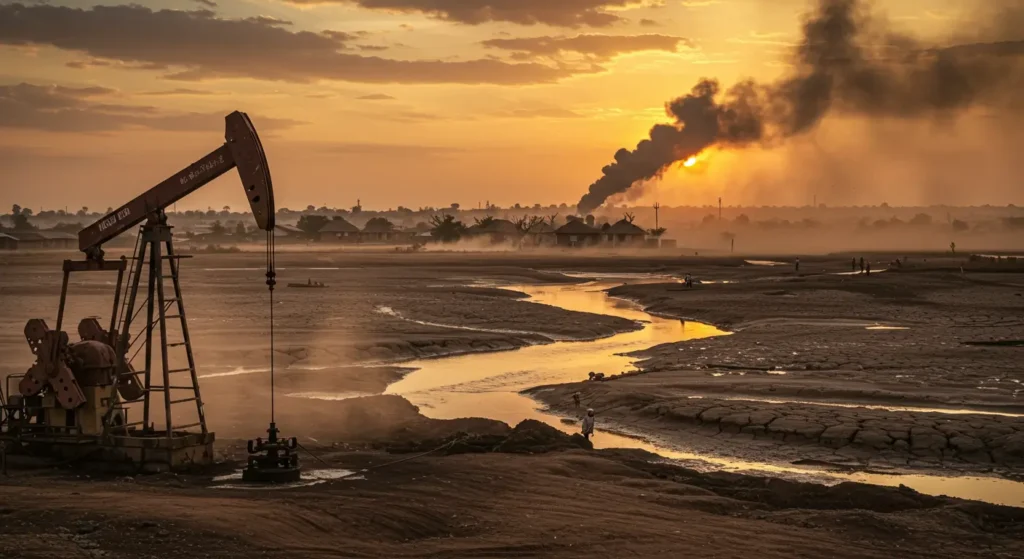
UNEP’s latest Production Gap Report delivers a startling warning: by 2030, governments worldwide plan to produce around 110% more fossil fuels than is consistent with the 1.5 °C global warming limit set under the Paris Agreement. Even for the less ambitious 2 °C target, planned production exceeds safe levels by about 69%. This “production gap” is not just a statistic—it’s a blueprint for overshooting climate goals and triggering more extreme weather, rising sea levels, and economic instability.
What is the Fossil Fuel Production Gap?
The production gap measures the difference between how much coal, oil, and gas nations plan to extract, and how much can be burned while still meeting agreed climate targets. UNEP’s analysis shows that while renewable energy capacity is booming, fossil fuel supply plans are expanding at the same time—essentially canceling out climate progress. In simple terms: nations are saying one thing in climate negotiations and doing another in their energy policies.
How Big is the Gap—and Why Does it Matter?
For coal, the overshoot is especially severe—between 150% and 280% above 1.5 °C-compatible levels. Oil and gas are projected to be produced at 30% and 20% higher rates, respectively. These numbers matter because every additional ton of CO₂ emitted pushes us closer to climate tipping points, where natural systems like polar ice sheets or Amazon forests could shift irreversibly, amplifying global warming.
Why Are Governments Still Expanding Fossil Fuel Plans?
UNEP points to several reasons: entrenched subsidies for coal, oil, and gas; political resistance to change from fossil-dependent economies; and the widespread framing of gas as a “transition fuel” rather than a problem. Short-term economic gains, job security in extractive industries, and geopolitical energy competition often outweigh long-term climate considerations in decision-making.
What is UNEP’s Call to Action?
The report calls for phasing out coal production by 2040, reducing oil and gas output by around 75% by 2050, and embedding supply-side targets into national climate plans. It also urges governments to redirect subsidies towards renewable energy, invest in just transition programs for affected workers, and strengthen international cooperation to align fossil fuel production with the 1.5 °C pathway.
What Does This Mean for Africa—and Kenya?
Africa faces a complex reality: the continent contributes just 3–4% of global emissions, yet is highly vulnerable to climate impacts. For countries like Kenya—already a leader in renewable energy—UNEP’s findings reinforce the need to avoid locking into new fossil fuel infrastructure that could become stranded assets. Instead, African nations can leverage global finance and technology transfers to meet energy needs through clean sources, while securing climate justice.
Who Are the Biggest Offenders?
While the report doesn’t name-and-shame in political terms, data shows major fossil fuel producers—including the U.S., China, Russia, India, and Middle Eastern exporters—are driving the largest portion of the gap. Many of these same nations pledge climate leadership in forums like COP30 but simultaneously approve new extraction projects that contradict their commitments.
Can the Gap Still Be Closed?
Yes—but only if governments treat fossil fuel reduction as urgently as they treat emissions targets. That means setting hard caps on production, accelerating renewable rollouts, and ending fossil fuel subsidies that make dirty energy artificially cheap. Public pressure, activist campaigns, and strong legal rulings—such as the International Court of Justice’s recent climate opinion—could be critical levers in forcing change before 2030.
The fossil fuel production gap is a global failure of climate alignment—but it’s not irreversible. UNEP’s roadmap makes clear that the tools, technology, and policy models already exist. The question is whether nations have the political will to use them in time.