

Rwanda is setting its sights on a bold future with Vision 2050, an ambitious plan that positions agriculture as a key driver of economic growth, food security, and climate resilience. The strategy aims to transform the country into an upper middle-income nation by 2035 and a high-income nation by 2050, with a modern, inclusive, and sustainable agricultural sector at the center of this ambition.
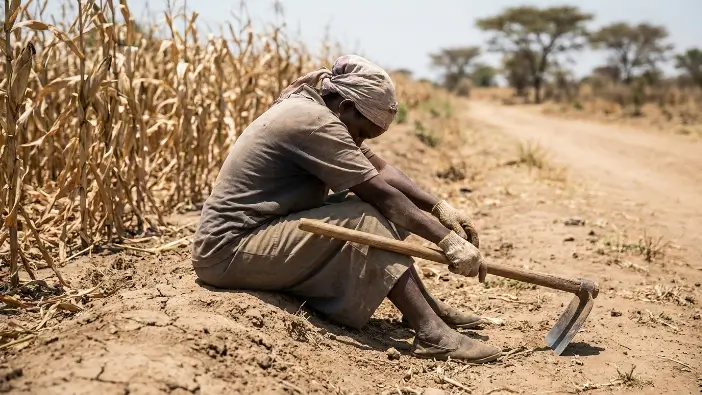
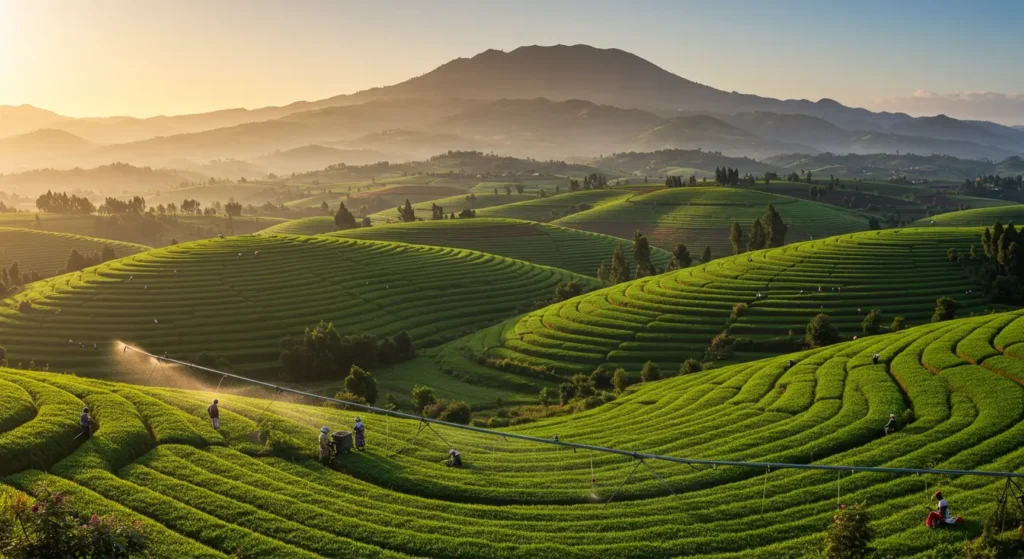
Agriculture has traditionally been the backbone of Rwanda’s economy, and Vision 2050 seeks to shift the sector from subsistence farming to commercialization. The government is promoting mechanization, irrigation, and climate-smart practices that can increase productivity and enable farmers to tap into regional and global markets.
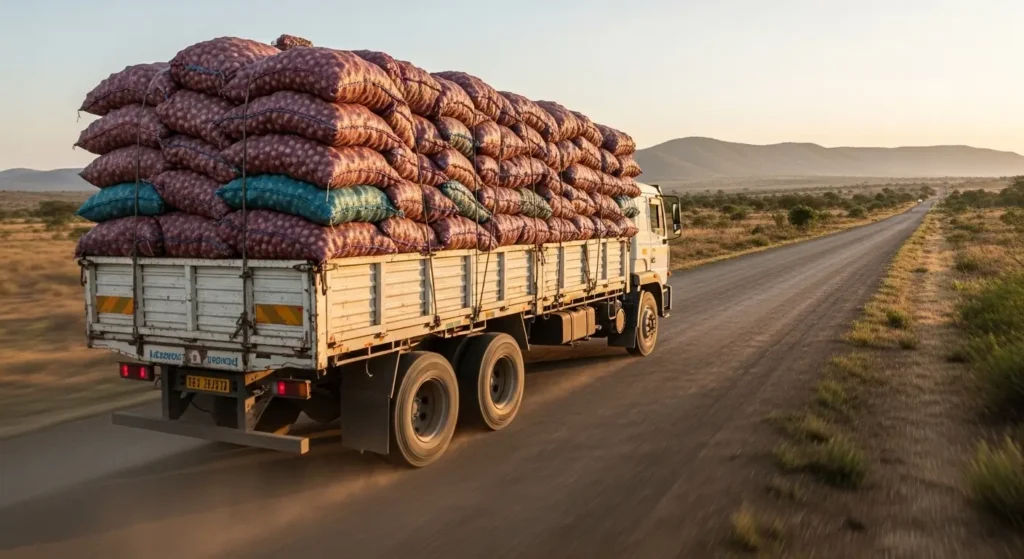
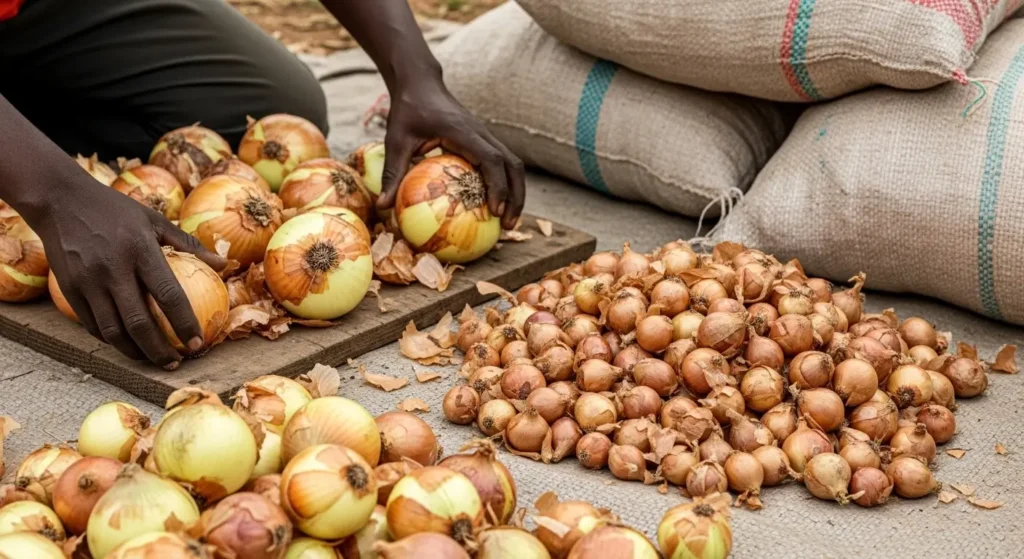
A core focus of the plan is agro-industrialization, where value addition through agro-processing industries is expected to boost incomes and reduce post-harvest losses. Strengthening agricultural value chains and investing in processing facilities will allow farmers to benefit from packaging, exports, and innovation-driven growth.
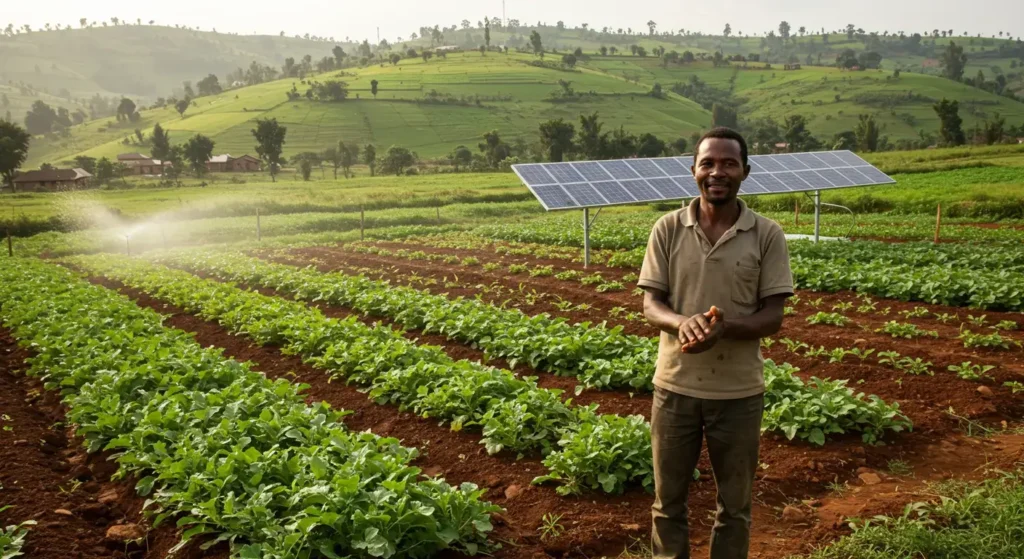
The strategy also places youth and women at the center of agricultural transformation. With targeted programs in agribusiness, access to finance, and digital innovation, Rwanda is working to make agriculture attractive to the next generation. The approach positions farming not just as a livelihood but as a profitable and modern enterprise.
Sustainability is another cornerstone of Vision 2050. In response to the growing challenges of climate change, Rwanda is promoting sustainable land management, renewable energy in farming, and the adoption of climate-smart technologies. This ensures long-term productivity while protecting ecosystems and natural resources.
Beyond national borders, Rwanda is positioning itself as a hub for high-value agricultural exports. Specialty coffee, tea, horticulture, and dairy products are being scaled up to meet international demand, with policies designed to ensure global competitiveness.
Experts say the plan is significant not only for Rwanda but also for Africa as a whole. It highlights how political will, strategic investment, and innovation can shift agriculture from subsistence farming to a driver of prosperity. For investors and partners, Vision 2050 signals opportunities in agribusiness, logistics, renewable energy, and digital agriculture.
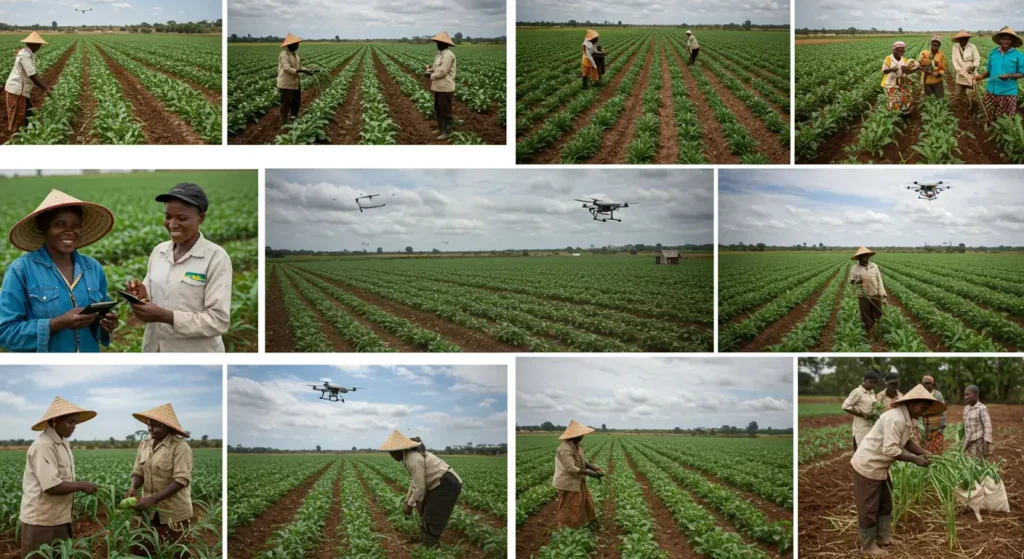
Rwanda’s Vision 2050 presents a forward-looking blueprint that blends economic transformation with social inclusion and environmental stewardship. It shows that the future of agriculture in Africa can be both sustainable and profitable, setting an example for other nations on the continent.