

AfCFTA’s Impact on Smallholder Farmers in Africa | Opportunities & Challenges 2025
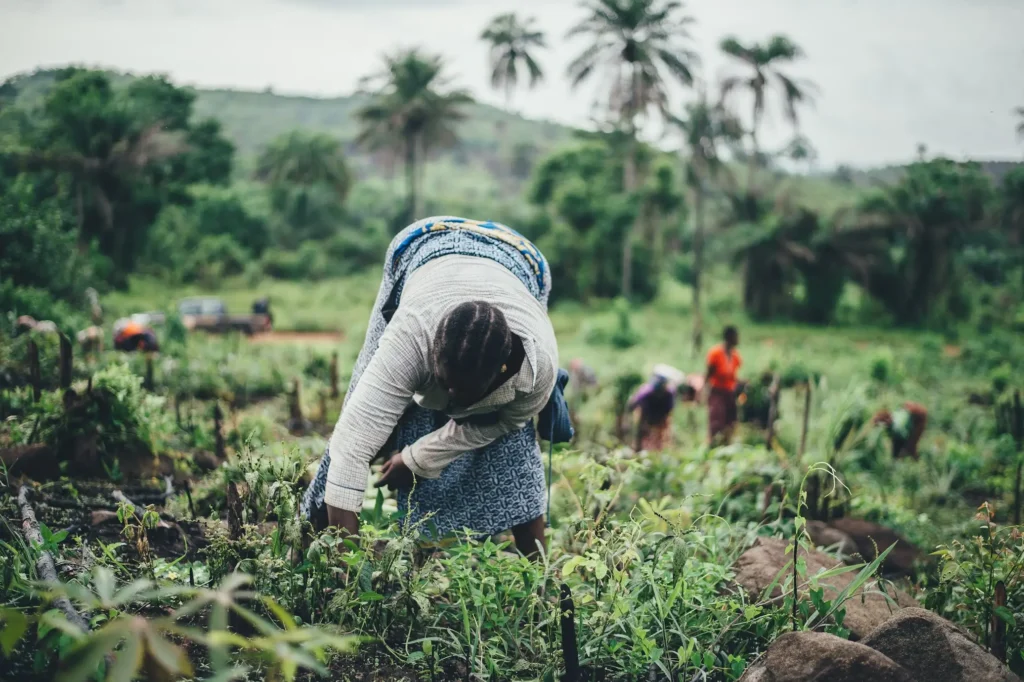
Smallholder farmers in Africa are poised to benefit significantly from the African Continental Free Trade Area (AfCFTA). By reducing tariffs and harmonizing trade regulations across the continent, AfCFTA opens new opportunities for farmers to expand their markets and increase revenues.
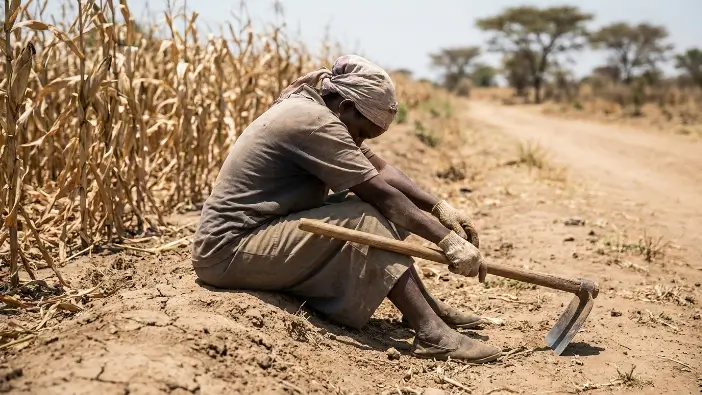
Smallholder farmers, who produce the majority of Africa’s food, often struggle with limited access to regional markets. AfCFTA aims to address these barriers by simplifying cross-border trade procedures, reducing costs, and creating a more predictable business environment.
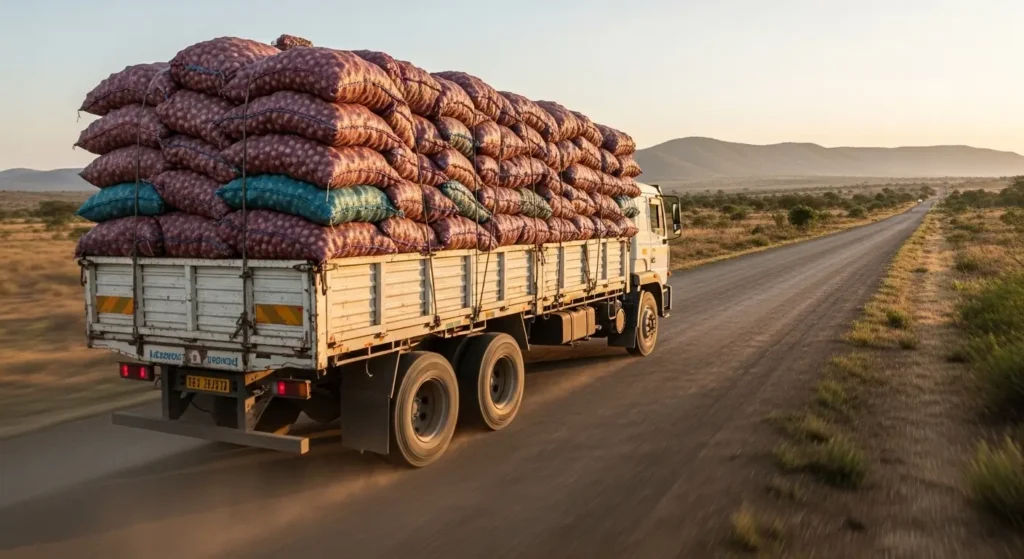
One major advantage of AfCFTA is enhanced market access. Farmers in countries like Kenya, Ghana, and Nigeria can now export produce such as maize, cocoa, and coffee more easily to neighboring countries without facing high tariffs or bureaucratic hurdles.
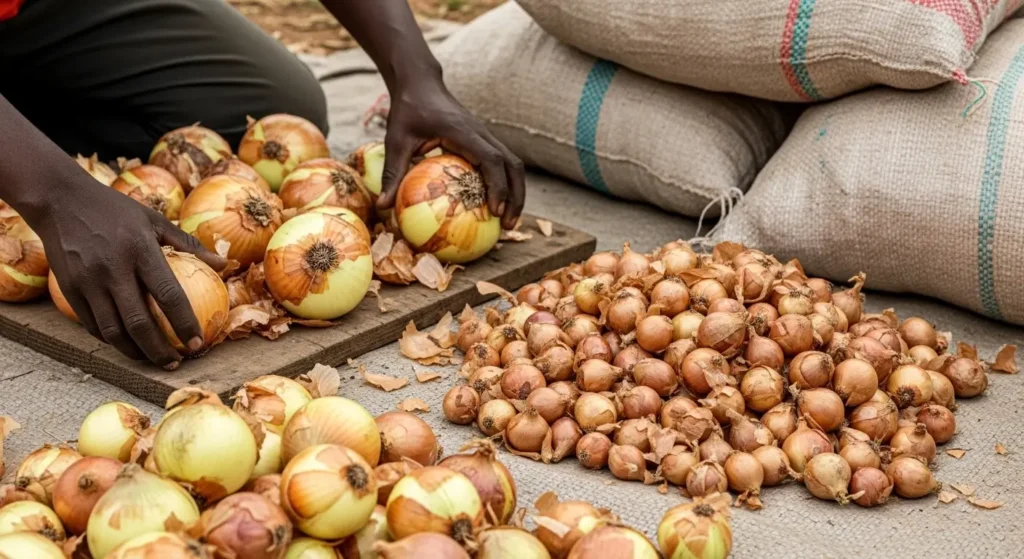
However, challenges remain. Smallholder farmers must meet quality and safety standards required for cross-border trade. Without adequate training and access to finance, some may struggle to compete with larger agribusinesses entering the
Governments and regional bodies are stepping in to support farmers. Initiatives include training programs on certification, packaging, and logistics, as well as financial support to help farmers upgrade infrastructure and access modern technologies.
Case studies show promising results. In East Africa, cooperatives of smallholder maize and coffee farmers have increased exports by 20–30% under AfCFTA, highlighting the potential economic gains for organized groups.
AfCFTA also has wider social and economic implications. Improved incomes for smallholder farmers can reduce poverty, create rural employment, and strengthen food security across the continent.
As Africa moves toward deeper economic integration, smallholder farmers stand at the center of this transformation. By leveraging the opportunities AfCFTA provides while addressing the challenges, Africa’s agricultural sector can become more competitive, inclusive, and sustainable.