

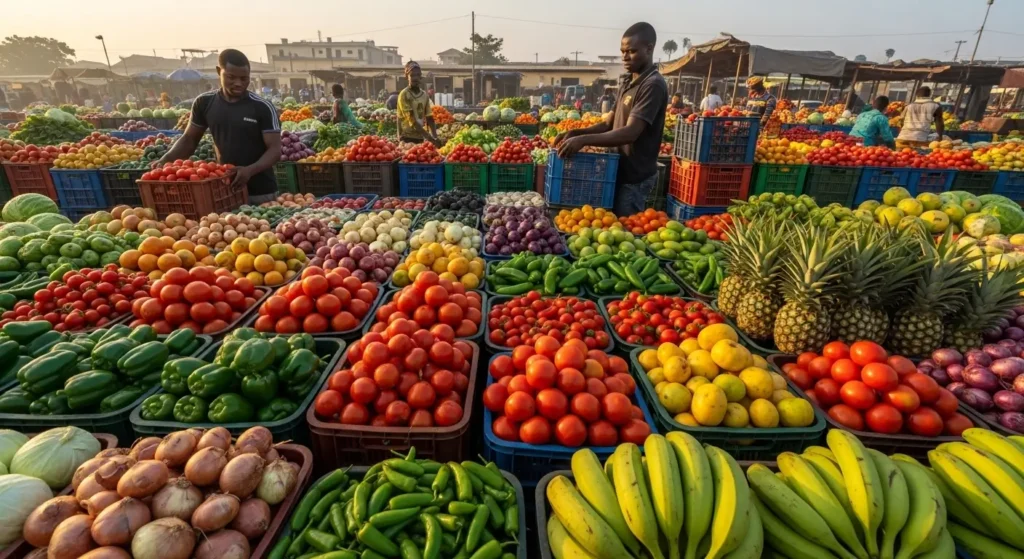
Why Kigali Could Redefine Agriculture, Jobs and Capital
Africa’s Agriculture Faces Unprecedented Pressure
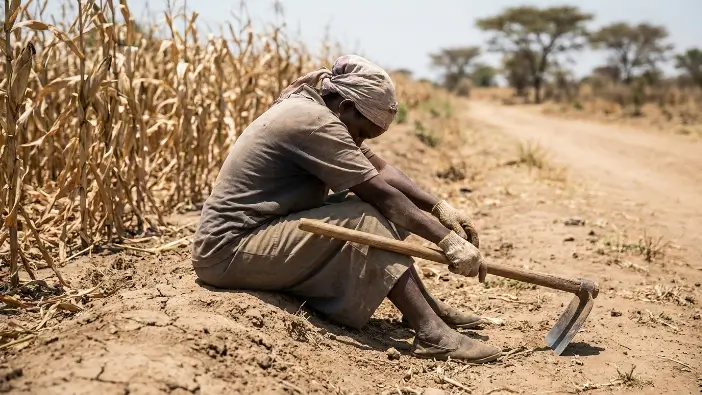
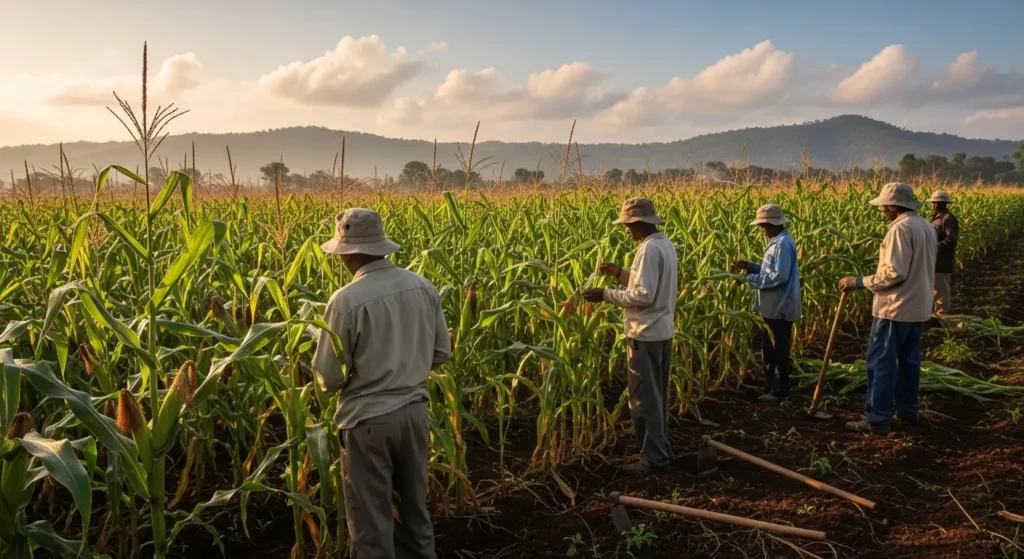
Before sunrise in Africa, farmers in eastern Kenya, northern Ghana and southern Ethiopia are already assessing the land, unsure whether the rains will arrive on time or if soil conditions will support a profitable harvest. Market prices fluctuate daily, sometimes leaving families scrambling to afford staples.
Across the continent, agriculture long the backbone of livelihoods is being reshaped by climate variability, rising input costs and limited access to finance and technology. Millions of smallholder farmers are grappling with challenges that go beyond planting and harvesting, they are contending with systemic issues that threaten the stability of food systems and the economic security of entire communities.
It is against this backdrop that the Africa Food Security & Investment Summit 2026 has been announced, set to take place in Kigali. The summit is designed not simply as an event, but as a platform to address the structural and financial barriers that hinder African agriculture.
Policymakers, investors, private sector leaders and development partners will convene to discuss strategies for improving food security, creating jobs and mobilizing capital to transform agriculture into a resilient, modern sector that benefits all Africans.
The Investment Gap and Urgent Need for Action
Africa is endowed with fertile land and diverse climates capable of supporting a wide variety of crops. Yet the continent continues to import billions of dollars’ worth of food annually. Countries such as Nigeria, Kenya and Egypt face escalating import bills even as large tracts of arable land remain underutilized or inadequately managed. Infrastructure bottlenecks, fragmented supply chains and limited access to affordable financing further constrain agricultural growth.
The Kigali summit seeks to address these challenges head-on, responding to questions increasingly asked across digital platforms and policy circles: Where are investments flowing in African agriculture? How can smallholder farmers access finance? Which technologies will improve yields sustainably? By convening key actors, the summit aims to convert potential into action, linking capital, innovation and policy to create tangible improvements across the food system.
Kigali as a Strategic Hub
Rwanda’s capital is more than a neutral meeting venue. Kigali has earned a reputation as a hub for policy innovation, investment facilitation and regional collaboration. Its selection underscores a growing recognition that agricultural transformation requires cross-border coordination and evidence-based strategies.
Over the past decade, Rwanda has invested in governance reforms, digital infrastructure and market systems that support smallholder inclusion and private sector growth. By hosting the summit, Kigali positions itself as a model for how countries can leverage strategic investments to strengthen food systems and regional trade networks, while demonstrating leadership in continental agricultural policy.
Diverse Stakeholders and Their Roles
The summit brings together a broad spectrum of participants, reflecting the complexity of Africa’s food systems. National governments will present strategies to boost production, reduce dependence on imports and attract private capital.
Investors, from regional agribusiness conglomerates to global development funds, will examine scalable opportunities in value addition, logistics and agricultural technology. Development finance institutions will explore mechanisms to de-risk investments for smallholders and underserved markets, while startups and agripreneurs will showcase innovations in climate-smart farming, supply chain efficiency and market access.
This convergence is emblematic of a fundamental shift in how African agriculture is understood: it is no longer merely about subsistence; it is a comprehensive ecosystem linking farmers, markets, technology and capital. The summit thus serves as a critical arena for aligning these actors toward inclusive, practical solutions.
Climate-Smart Agriculture and Resilience
Climate change has become an unavoidable reality for African agriculture. Erratic rainfall, prolonged droughts, and rising temperatures are threatening yields and livelihoods across the continent. In southern Africa, floods have destroyed maize fields and disrupted transport, while in the Sahel, droughts have reduced millet and sorghum outputs. Climate-smart agriculture is central to the summit’s agenda, with discussions expected on drought-resistant crops, sustainable irrigation, precision farming using satellite and AI technologies and soil restoration techniques.
Investing in climate resilience is no longer optional; it is essential for ensuring the long-term viability of food systems. The Kigali summit will emphasize strategies that integrate finance, technology and knowledge transfer, demonstrating how investments can simultaneously improve productivity and strengthen communities against environmental shocks.
Empowering Smallholder Farmers
Smallholder farmers produce the majority of Africa’s food, yet historically they have been marginalized in investment and policy frameworks. Without deliberate measures to integrate them, modernization risks deepening existing inequalities.
The summit aims to address these gaps by examining financing models, cooperative structures and market linkages that make smallholders more competitive and resilient. By including their voices and needs, the summit seeks to ensure that agricultural transformation benefits those who feed the continent, rather than concentrating advantages among larger commercial operators.
Youth and Job Creation in Agriculture
Africa has the world’s youngest population, with millions of young people seeking employment and entrepreneurial opportunities. Agriculture, when modernized and integrated across the value chain, presents significant prospects for youth engagement.
From production and processing to logistics, agritech and marketing, young people can find opportunities that combine innovation with economic impact. The Kigali summit highlights this potential, framing agriculture as a sector of enterprise and growth rather than subsistence alone. By connecting youth with resources, mentorship, and financing the summit positions agriculture as a key engine for employment and economic empowerment.
Innovation, Technology and Digital Transformation
Technology is rapidly transforming African agriculture. Mobile applications now allow farmers to access market information, weather updates, and credit, while AI and satellite imagery optimize yields and monitor climate risks. Startups across Nigeria, Kenya, South Africa and other countries are innovating in agri-tech, demonstrating how digital platforms can connect farmers to buyers, financiers and logistical support. At the summit, these innovations will be presented and evaluated, highlighting how investment and technology can accelerate agricultural modernization and food security.
Regional Trade and Policy Integration
The African Continental Free Trade Area (AfCFTA) has reshaped the continent’s approach to trade and market access. Efficient cross-border movement of agricultural products is critical to stabilizing prices and increasing food availability.
Kigali’s summit will examine how policies can be harmonized, tariffs reduced and logistics networks improved to support regional trade. Effective coordination will ensure that investments deliver benefits across borders, supporting broader economic integration while expanding market access for smallholders and agribusinesses alike.
Measuring Success Beyond the Summit
The real test of the Africa Food Security & Investment Summit 2026 lies in implementation. Financing commitments must translate into tangible projects, and policy discussions must result in reforms that improve access to technology, inputs, and markets for farmers. Success will also be measured in terms of jobs created, value chain efficiencies achieved and climate-resilient practices adopted. Only by turning dialogue into action can the summit catalyze meaningful transformation in Africa’s food systems.
Answering the Continent’s Questions
Stakeholders are increasingly querying how the continent can achieve food security, where investment opportunities lie, how smallholders can access financing and what technologies are available to improve yields sustainably. By framing discussions around these topics, the summit positions itself as a resource not only for decision-makers in Kigali but also for the wider digital audience seeking reliable information and actionable insights.
Preparing for the Summit: What Stakeholders Can Do
Farmers are encouraged to explore climate-smart practices and new market linkages that may attract investment. Agripreneurs can refine innovations to meet the priorities of investors and development partners. Policymakers have the opportunity to ensure regulatory frameworks are supportive, transparent, and inclusive. Investors must identify high-impact opportunities that balance profitability with social and environmental impact. Engagement before, during and after the summit will determine whether it catalyzes lasting change rather than remaining a symbolic gathering.
A Turning Point for African Food Systems
The 2026 Africa Food Security & Investment Summit is more than a conference; it is a potential turning point for Africa’s food systems. The continent faces mounting challenges in climate resilience, investment gaps, youth employment and food security.
How these challenges are addressed in Kigali could shape the trajectory of African agriculture for decades. By connecting capital, technology, policy and human experience, the summit has the potential to create an inclusive, resilient and modern agricultural system capable of feeding millions, generating jobs and attracting sustainable investment.
As farmers begin their day across Africa and policymakers and investors prepare for Kigali, the summit represents a critical opportunity to define the future of the continent’s food systems. Its outcomes will influence not just yields or profits but the stability, resilience, and prosperity of African communities for generations to come.