

FAO Hosts 2nd Regional Dialogue to End Child Labour in Agriculture Africa
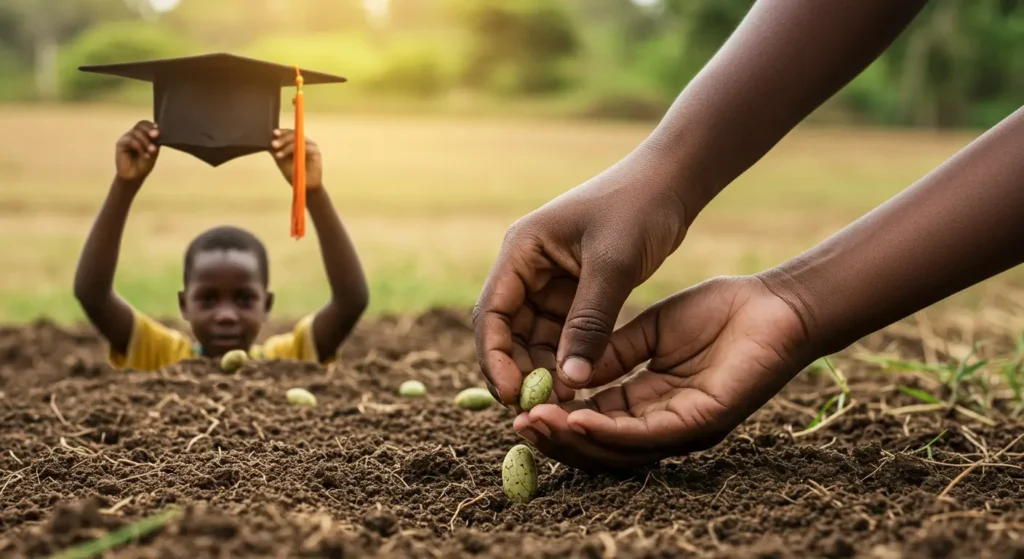
The Food and Agriculture Organization (FAO), in partnership with regional stakeholders, will host the 2nd Regional Dialogue on Child Labour in Agriculture in Africa on August 21, 2025. This virtual event, themed “Sustaining the Momentum: Eliminating Child Labour in Agriculture in Africa”, seeks to accelerate efforts toward eradicating child labour in the continent’s agricultural sector.
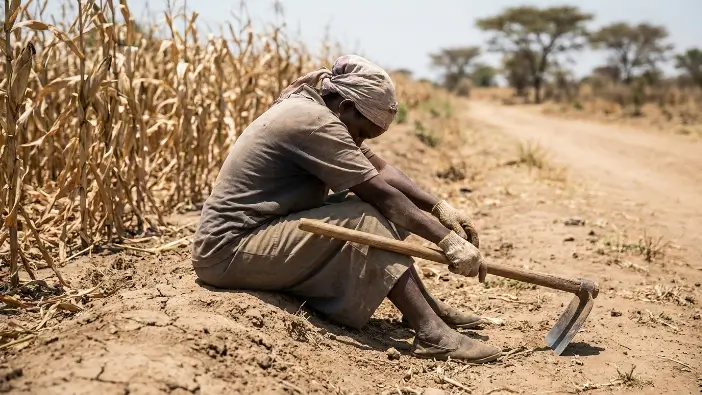
Agriculture remains the largest source of child labour in Africa, with an estimated 112 million children involved in farming activities. Many of these children are deprived of education and basic rights, highlighting a critical challenge for governments, civil society organizations, and development partners alike.
The dialogue will review findings from the 2024 Global Estimates on Child Labour and showcase successful interventions across African nations. Participants will explore innovative, technology-enabled solutions, such as blockchain applications in agricultural value chains and youth-led digital monitoring tools, to strengthen child protection in rural areas.
Key sessions include “Solutions in Action”, highlighting promising practices and tools for addressing child labour, and “Recommendations for the 6th Global Conference on Child Labour”, led by Babafemi Oyewole, CEO of the Pan-African Farmers Organization. Insights from the dialogue will inform the upcoming 6th Global Conference on Child Labour, scheduled for 2026 in Morocco.
The event brings together policymakers, youth advocates, civil society organizations, and development partners, aiming to strengthen coordination, share best practices, and advance Africa’s commitment to Sustainable Development Goal Target 8.7, which seeks to eliminate child labour by 2025.With child labour in agriculture posing significant social and economic risks, this dialogue represents a vital step toward sustainable and inclusive agricultural development. Stakeholders are encouraged to participate actively and adopt the recommended strategies to safeguard children while fostering a productive and equitable farming sector.