

East African Honeybees: Natural Defenders Against Disease
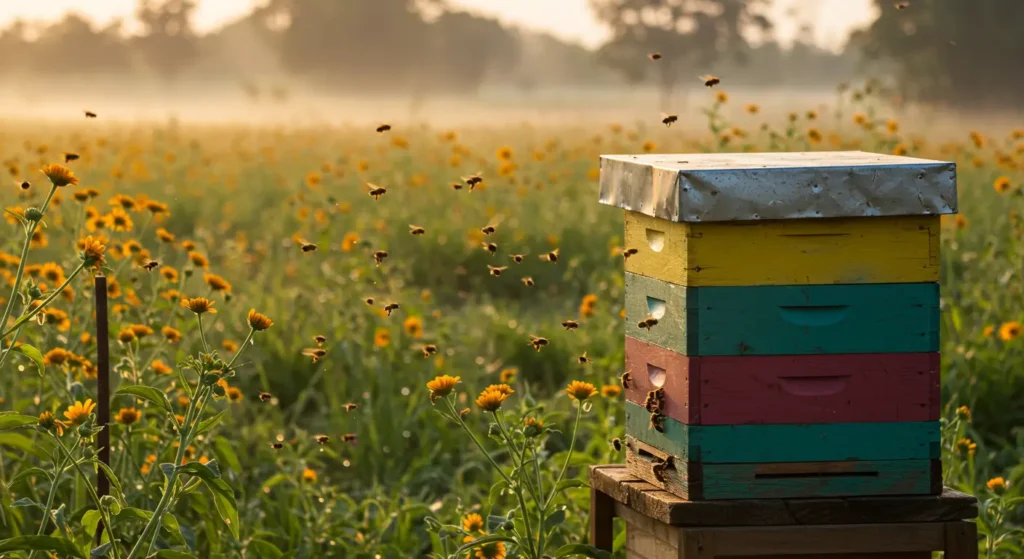
East African honeybees are proving to be remarkable allies for farmers and the environment. Unlike honeybee populations in other regions that struggle with diseases like Nosema and Varroa mites, these bees show natural resilience, allowing them to thrive with minimal chemical intervention. This innate strength makes them a vital part of sustainable agriculture in the region.
Scientists and beekeepers have observed that these bees possess unique biological traits that help them resist infections. Colonies maintain stronger immune responses and recover faster from pathogens, ensuring the hive remains productive. This natural resistance also reduces the need for costly treatments, supporting smallholder beekeepers across East Africa.
Environmental factors play a key role in supporting these healthy colonies. Bees in areas with diverse flowering plants, clean water sources, and low pesticide exposure tend to stay healthier and produce higher-quality honey. Protecting these habitats is critical for maintaining resilient bee populations.
For beekeepers, understanding and leveraging this natural disease resistance opens new opportunities. Practices such as selective breeding for resilient traits, maintaining genetic diversity, and minimizing exposure to harmful chemicals can strengthen hives further. These approaches not only improve honey yield but also safeguard pollination services essential for crops like coffee, maize, and fruits.
The implications of resilient honeybees extend beyond honey production. Healthy pollinator populations boost food security, support biodiversity, and strengthen ecosystems. By combining traditional knowledge with modern beekeeping techniques, East African farmers are setting an example of sustainable, productive agriculture.
As East Africa continues to lead in natural honeybee resilience, the focus should remain on conservation, smart farming, and education. Empowering farmers with knowledge about disease-resistant bees ensures that both livelihoods and ecosystems flourish for generations to come.