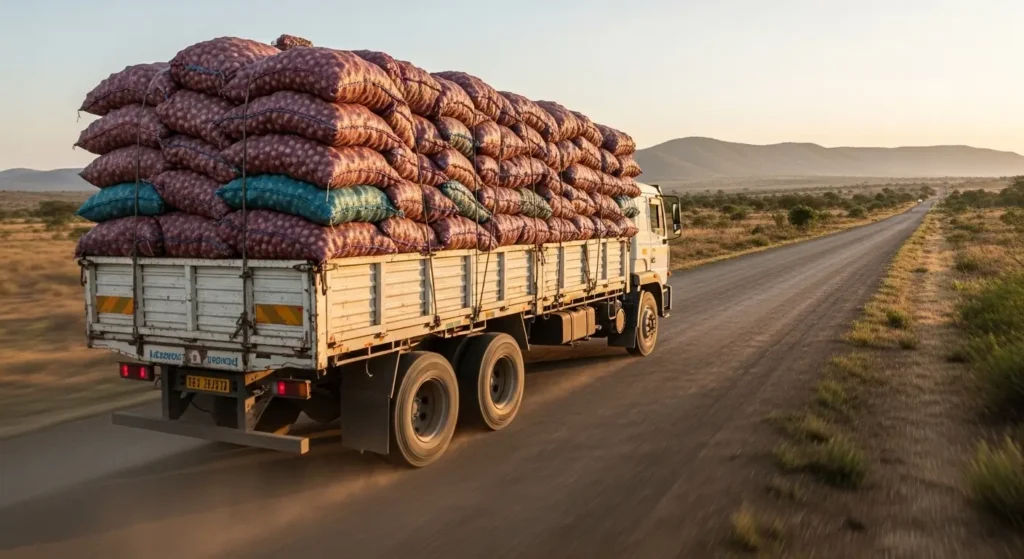



Across Africa, the constraint is no longer just production. It is visibility. It is trust. It is the quiet gap between a farm and a market that knows, understands and values what that farm produces.
Marketing an agribusiness in Africa is not a cosmetic exercise. It is infrastructure. It is the bridge between harvest and income, between effort and recognition, between a local story and a global buyer.
This guide explains how to market an agribusiness in Africa by building visibility, trust and strong market connections.
The Real Meaning of Agribusiness Marketing in Africa
To market an agribusiness here is to translate agriculture into value that people can see and believe in. It is not only about logos or sales tactics. It is about shaping perception across the entire value chain from farmer to aggregator, from distributor to export buyer, from county government to investor.
Institutions like the Food and Agriculture Organization have repeatedly emphasized that Africa’s challenge is not simply growing more food, but connecting that food to markets efficiently and credibly. That connection is built through communication deliberate, consistent and strategic.
Why So Many Agribusinesses Remain Invisible
There is a quiet pattern across the continent. Farms produce. Aggregators move goods. Markets exist. Yet brands rarely emerge.
The first problem is absence of identity. Many agribusinesses operate as suppliers of commodities rather than owners of differentiated products. A crate of avocados leaves a farm with no story attached to it, no signal of quality beyond appearance, no memory that a buyer can return to.
Then there is the silence around process. Modern buyers whether in Nairobi, Lagos, or Rotterdam are no longer satisfied with the product alone. They want to understand origin, method and impact. When an agribusiness does not tell that story, someone else does, often a middleman or platform that absorbs the value of that narrative.
Finally, there is the digital gap. In a world where discovery begins online, many agribusinesses remain absent from search, from social platforms, from any structured content ecosystem. If a buyer searches today, they will find platforms like Twiga Foods or exporters aggregated under Selina Wamucii not the individual farm or brand behind the produce.
What is missing is not effort. It is intentional visibility.
Building a Brand That Carries Weight
A strong agribusiness brand does not begin with design; it begins with clarity. What exactly is being offered and to whom? A farm that understands its identity moves differently. It stops speaking in generalities and begins to define itself in terms that a market can recognize.
Instead of saying it produces vegetables, it frames itself around quality, sourcing or specialization. Instead of positioning itself as a supplier, it becomes a trusted origin.
In Africa, where trust often substitutes for formal systems, branding becomes a form of currency. It signals reliability before a transaction even begins. Over time, that signal compounds, turning a farm into a reference point rather than just a participant in the market.
Storytelling as Market Access
There is a shift happening quietly but decisively. Markets are no longer buying only products; they are buying context.
The story of how something is grown, who grows it and under what conditions has become central to its value. This is not abstract. It is visible in how global buyers select partners, how consumers respond to brands, and how investors assess opportunities.
Storytelling, in this sense, is not decoration. It is market access strategy.
It lives in images of harvest, in short videos of process, in written narratives that explain not just what is produced but why it matters. It turns a farm into something legible to the outside world.
Where others see content, the strategic agribusiness sees evidence , evidence of quality, of consistency, of authenticity.
The Power of Visual Documentation
Africa is a visual continent. Trust is often built through what can be seen rather than what is claimed.
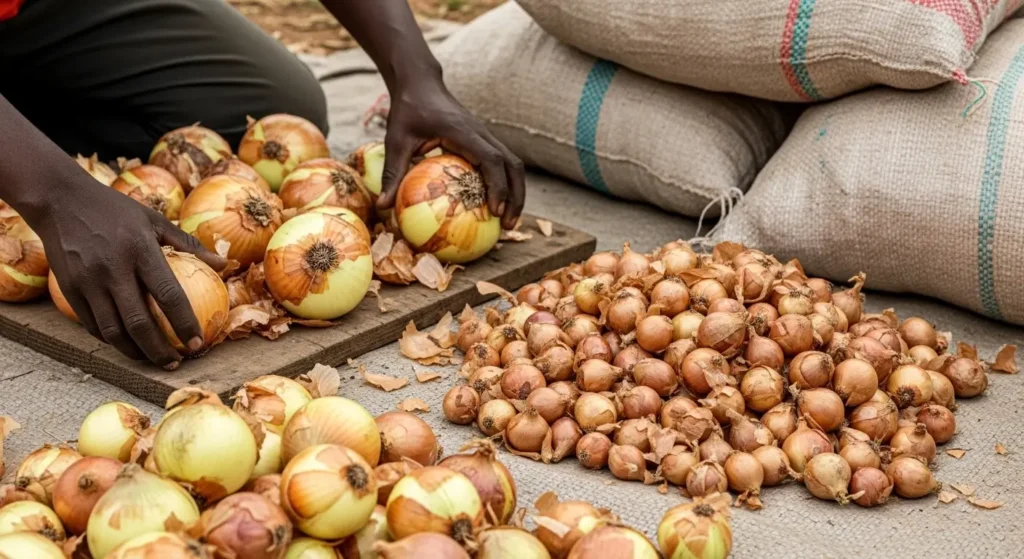
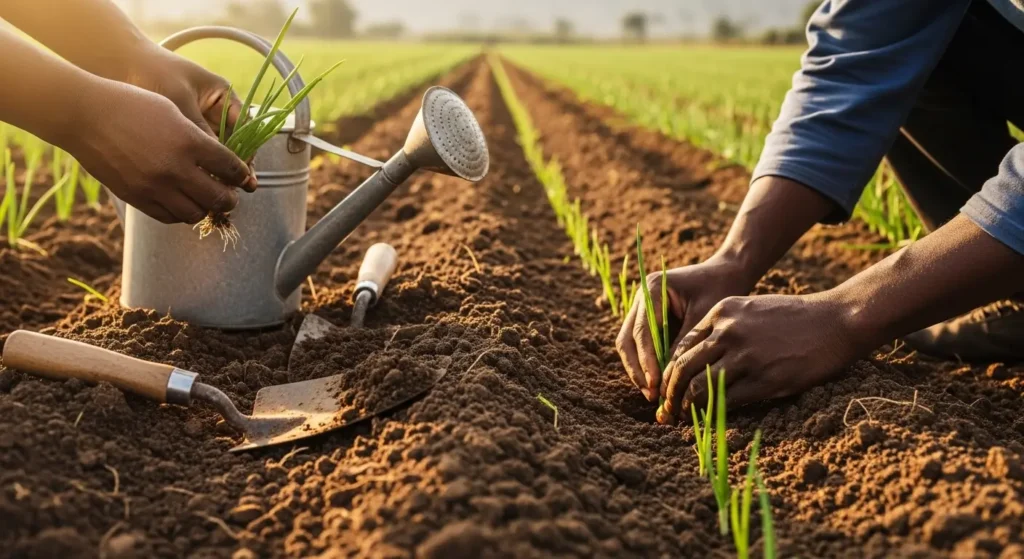
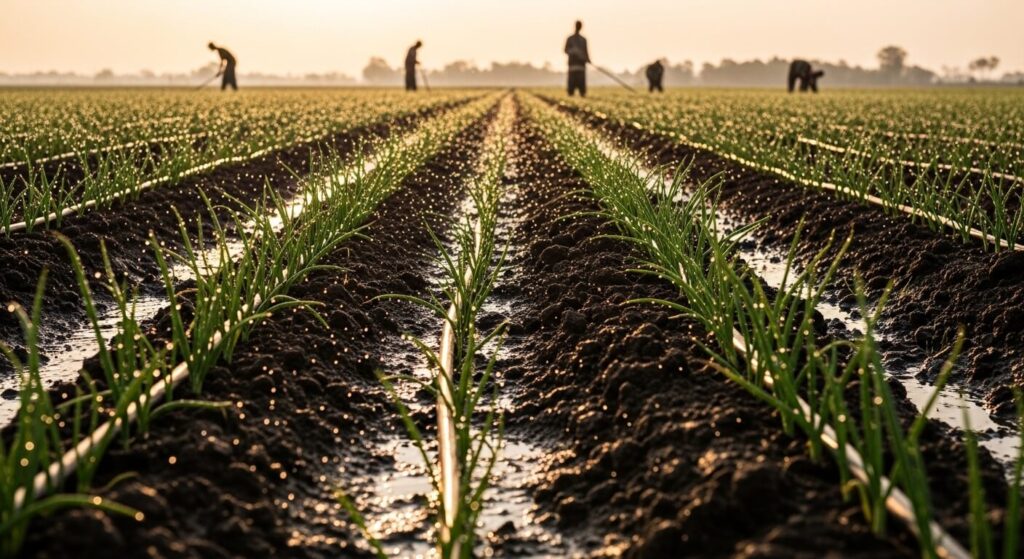
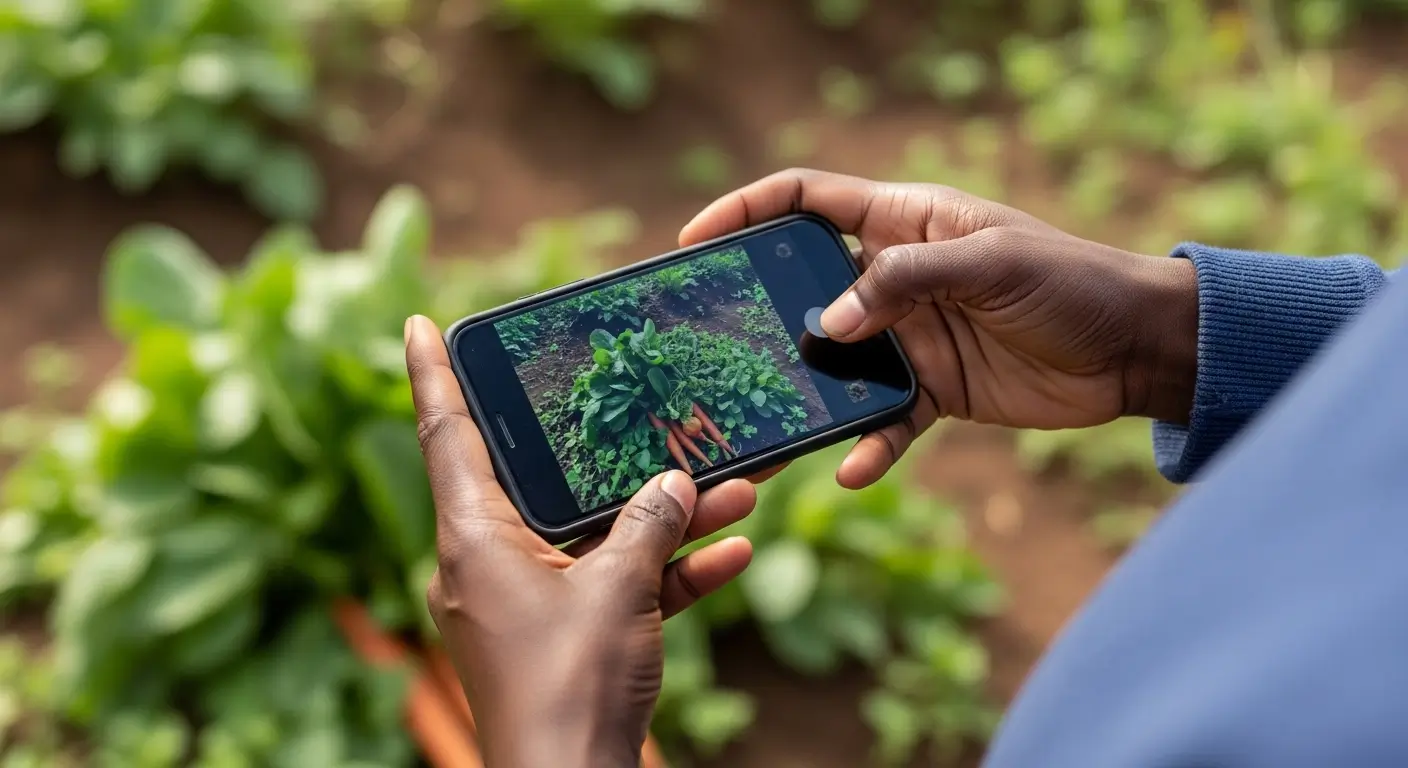
A well-shot image of a harvest, a short documentary clip of irrigation in a dry season, a close-up of produce handled with care these do more than communicate. They convince.
This is where many traditional communication approaches fall short. Reports are written, data is presented but the human and physical reality of agriculture remains unseen. Visual documentation corrects this imbalance. It brings the farm to the market, collapsing distance and uncertainty.
For agribusinesses, this becomes a competitive advantage. While others describe, you show.
Digital Presence as Infrastructure
To exist in today’s market is to be searchable. A buyer, investor or partner will begin with a query. What appears in response determines perception.
A structured digital presence website, social platforms, and content is no longer optional. It is the modern equivalent of a physical storefront.
On platforms like LinkedIn, agribusinesses speak to investors and partners. On Instagram and Facebook, they build familiarity and trust with consumers and local markets. On a well-structured website, they consolidate their narrative into a single, coherent experience.
This is not about being everywhere. It is about being discoverable where it matters.
Search as a Growth Engine
Search has quietly become one of the most powerful tools in agribusiness marketing. When someone types “how to export mangoes from Kenya” or “best avocado suppliers in Africa,” they are not browsing they are looking for solutions.
An agribusiness that publishes high-quality, authoritative content around these queries positions itself not just as a supplier, but as a knowledge leader.
Over time, this builds authority. And authority attracts opportunity.
Navigating Markets with Precision
Africa is not a single market. It is a mosaic of local, regional and global systems, each with its own expectations.
Local markets respond to accessibility and price. Regional markets look for consistency and scale. Export markets demand traceability, certification and narrative clarity.
An agribusiness that understands this does not communicate in a single voice. It adapts its messaging, emphasizing different aspects of its value depending on the audience.
This is where strategy replaces guesswork. Communication becomes targeted, deliberate and effective.
Working With Platforms Without Losing Identity
Distribution platforms play a critical role in connecting farmers to markets. Companies like Twiga Foods streamline logistics, while exporters and aggregators open doors to international buyers.
But there is a subtle risk. When all visibility flows through a platform, the underlying brand disappears. The farm becomes part of a system rather than a recognizable entity.
The solution is not to avoid these platforms, but to build parallel visibility. To ensure that while products move through systems, the brand remains visible, searchable and memorable.
Media, Perception and Scale
Media houses such as Nation Media Group shape how agriculture is perceived at scale. They highlight trends, frame narratives and influence public understanding.
For an agribusiness, being featured is not just exposure. It is validation. It signals that the work being done is significant, noteworthy and credible.
Strategic PR, therefore, becomes part of marketing. Not as a one-off effort, but as a sustained approach to visibility.
Trust as the Final Currency
At the core of all this is trust. In African agribusiness, trust often determines who gets paid, who gets contracts, and who grows.
Trust is built slowly through consistency, transparency and proof. It is reinforced every time a promise is kept, every time a story aligns with reality, every time a buyer receives what they expected.
Marketing, when done correctly, accelerates this process. It makes trust visible. It turns it into something that can be seen, evaluated and relied upon.
A New Way Forward
The future of agribusiness in Africa will not be defined only by yields or acreage. It will be defined by who is seen, who is understood and who is trusted.
The farms and agribusinesses that win will not necessarily be the largest. They will be the ones that communicate clearly, consistently and strategically.
They will understand that marketing is not separate from agriculture. It is part of it.
Work With Nexus PR Africa
If you are building in agriculture whether as a farm, an agribusiness, a county, or a food systems organization and your work is not being seen at the level it deserves:
Nexus PR Africa exists to change that.
We turn agriculture into narratives that travel across markets, across platforms and across borders until they reach the people who matter.
Because in Africa today, the difference between growth and stagnation is often not production.
It is visibility.