

Introduction: The Invisible Economy of African Agriculture
Across Africa, agriculture is not a lack of activity. It is a lack of visibility.
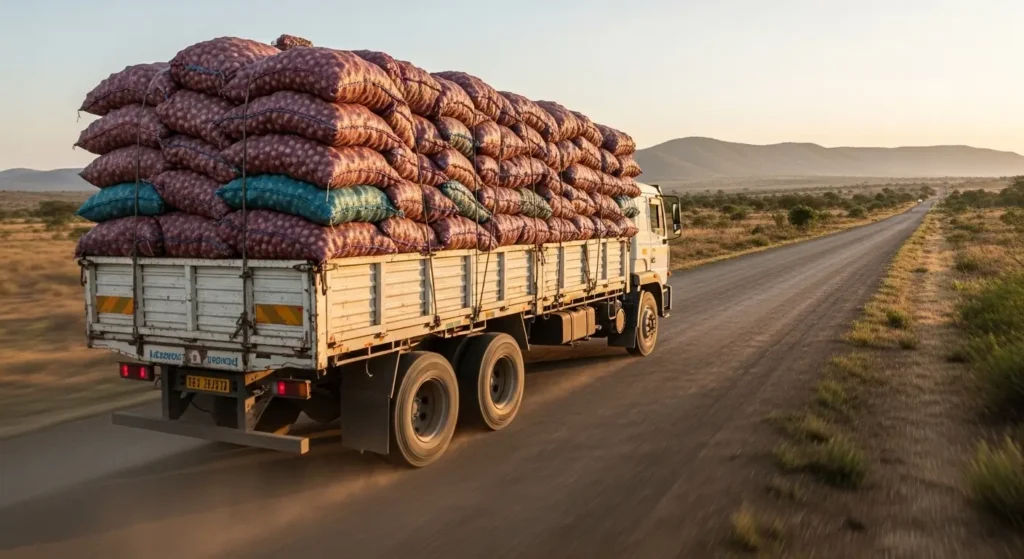
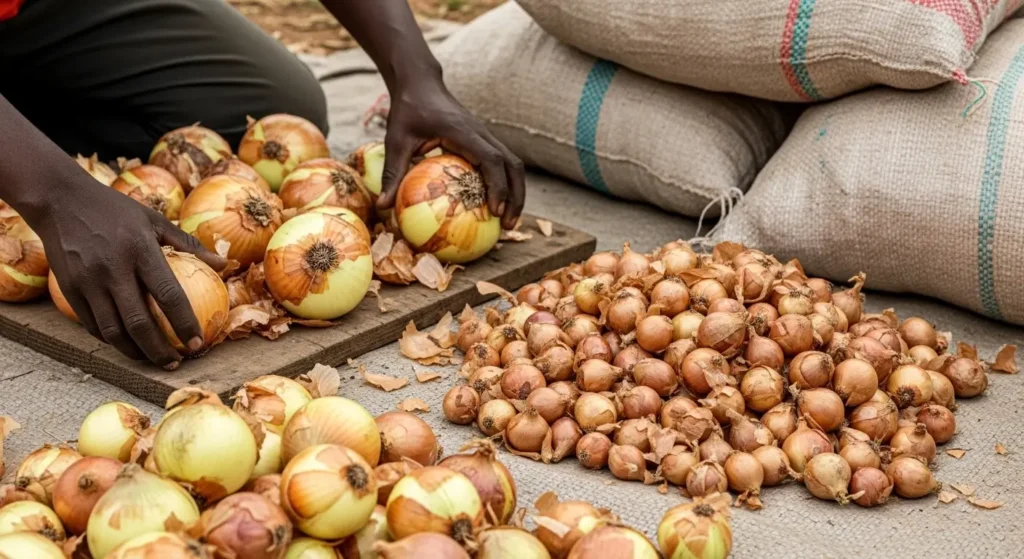
In the early hours of the morning, farms across Kenya, Ghana, Nigeria, Ugandan and beyond are already alive with movement. Harvesting begins before the sun is fully up, workers move through fields with precision and produce is prepared for markets that are already waiting. Yet despite this constant flow of production, most agribusinesses remain largely unseen outside their immediate environments.
This disconnect is not because the work is insignificant. It is because it is not communicated in a way that the modern market understands. Visibility has become the new currency of agriculture, and without it, even the most productive agribusiness can remain economically limited.
At Nexus PR Africa, we exist to address this gap. We help agribusinesses across Africa become visible, trusted, and investable by transforming how they communicate, how they are perceived and how their value is understood across markets and institutions.
What It Really Means to Be Visible, Trusted and Investable
In today’s agricultural economy, visibility is no longer simply about being known. It is about being discoverable in the exact moment someone is searching for what you offer. A buyer in Nairobi, a processor in Lagos or an investor in London must be able to find you, understand you and recognize your relevance without friction or confusion. Visibility is the entry point into modern economic participation.
Trust, on the other hand, is what determines whether that visibility converts into action. In agriculture, trust is not built through claims but through consistency. It is built when people repeatedly see evidence of your operations, your reliability and your integrity over time. Without trust, visibility is temporary. With trust, visibility becomes value.
Investability sits at the highest level of this transformation. It is the point at which an agribusiness is not only operating effectively but is also structured and communicated in a way that attracts external capital, partnerships, and expansion opportunities. Investors do not respond to production alone; they respond to clarity, narrative, and perceived stability. This is where communication becomes as important as operations.
The Core Challenge Facing Agribusinesses in Africa
Most agribusinesses across Africa are not failing because they are unproductive. They are struggling because they are not positioned within the modern communication economy.
A common issue is the absence of narrative. Many agribusinesses describe what they do, but they rarely explain why it matters or how it fits into a broader system of food, trade, and development. Without narrative, products become commodities and commodities are always the most vulnerable to price pressure and invisibility.
Another challenge is inconsistency in communication. Many agribusinesses only communicate during harvest seasons, funding cycles or operational crises. This creates fragmented visibility, making it difficult for any audience to build long-term familiarity or trust.
There is also a growing digital gap. Today, most discovery begins online. Whether it is a local buyer searching for suppliers or an international investor researching opportunities, digital presence often shapes first impressions. Yet many agribusinesses still operate without structured websites, search-optimized content or consistent digital storytelling systems. In this environment, absence online is equivalent to absence in the market.
In many cases, even when agribusinesses are active and functional, their story is captured and redistributed by intermediaries rather than the original producers. This creates a structural imbalance where value is created in one place but perceived in another.

How Nexus PR Africa Transforms Agribusiness Visibility
At Nexus PR Africa, we approach communication not as decoration but as infrastructure. In the same way roads connect farmers to markets, communication connects agribusinesses to opportunity. Without it, even the most productive systems remain isolated.
We begin by building visibility systems that ensure agribusinesses can be found, understood and recognized across digital and institutional spaces. This is not limited to social media presence or occasional campaigns. It is a structured communication foundation that ensures that when someone searches for agricultural suppliers, exporters, or partners, the agribusiness is positioned to appear in that discovery process.
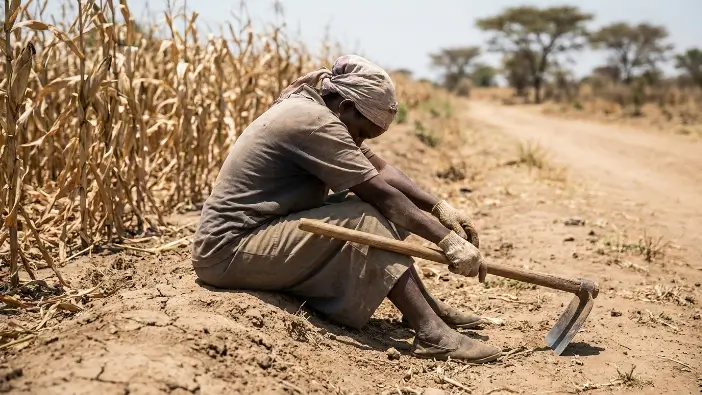
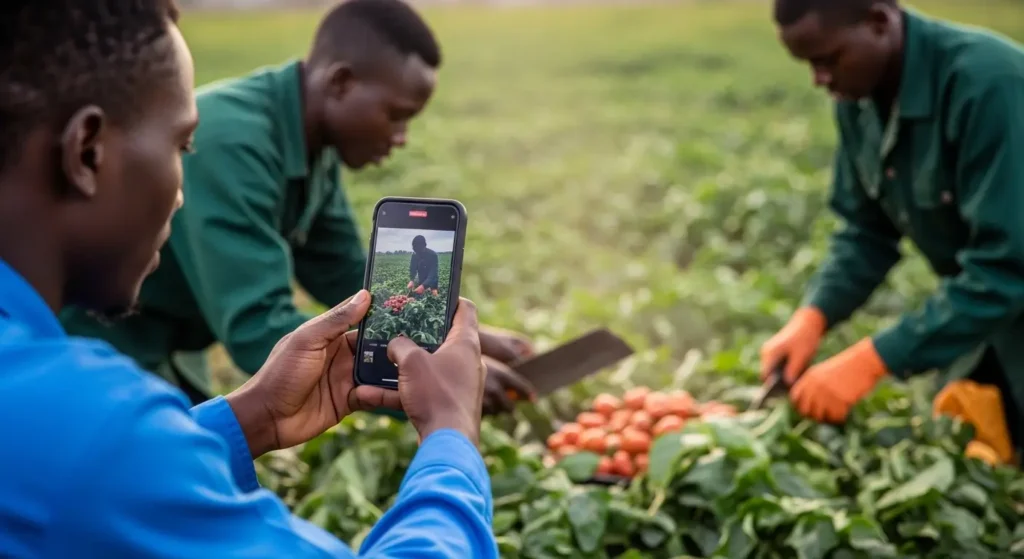
From there, we focus on storytelling. Agriculture is not only a technical or economic activity. It is deeply human. It involves labor, uncertainty, climate exposure and resilience. When these realities are properly documented and communicated, they create emotional connection and meaning. This is what turns a simple farm into a brand that people remember and trust.
We also develop digital authority through search-driven content systems. In a world where search engines and AI tools increasingly shape discovery, agribusinesses must be able to answer the questions people are already asking. Whether it is about sourcing, export processes or agricultural investment opportunities, structured content ensures that agribusinesses are not only participants in the conversation but sources of authority within it.
Building Trust Through Consistency and Transparency
Trust in agriculture is not created in a single moment. It is built over time through repetition, clarity, and transparency. When an agribusiness communicates consistently, showing its processes, its challenges and its progress, it creates familiarity. Familiarity reduces uncertainty, and reduced uncertainty leads to trust.
This is particularly important in African agricultural systems where formal verification structures are often uneven. In such environments, communication becomes a substitute for institutional assurance. It becomes proof.
Even global institutions such as Food and Agriculture Organization emphasize the importance of transparency and communication in strengthening food systems. At the brand level, this principle becomes even more critical because perception directly influences market access.
Making Agribusinesses Investable Through Communication
Investment decisions are rarely based solely on production capacity. They are based on how clearly a business can communicate its structure, scalability and reliability.
Many agribusinesses already have the operational foundation for growth, but they lack the communication structure that makes that potential visible. When an agribusiness is clearly explained, consistently visible, and professionally presented, it becomes significantly easier for investors, partners and institutions to engage with it.
We help agribusinesses articulate their value in a way that aligns with how investment decisions are made. This includes clarity of purpose, visibility of operations and a structured public narrative that communicates stability and direction.
The Larger Shift Happening in African Agriculture
African agriculture is undergoing a quiet but significant transformation. It is no longer defined only by production systems but by communication systems. The agribusinesses that will lead in the next decade are not necessarily those that produce the most, but those that are most clearly understood.
Media institutions such as Nation Media Group continue to shape agricultural narratives at scale, but many agribusinesses are still not actively participating in shaping how they are perceived. This creates a gap between reality and perception and that gap is where opportunity is either lost or captured.
Conclusion: From Production to Perception
The reality of modern agriculture in Africa is that production alone is no longer enough. Visibility determines access. Trust determines conversion. And communication determines scale.
Most agribusinesses do not fail because they lack capacity. They fail because they are not understood in the way the market requires them to be understood.
At Nexus PR Africa, our role is to close that gap. We transform agribusinesses from invisible operators into visible, trusted, and investable brands by building the communication systems that connect them to markets, investors, and institutions.
Because in today’s agricultural economy, what you produce matters. But how you are seen determines everything.