


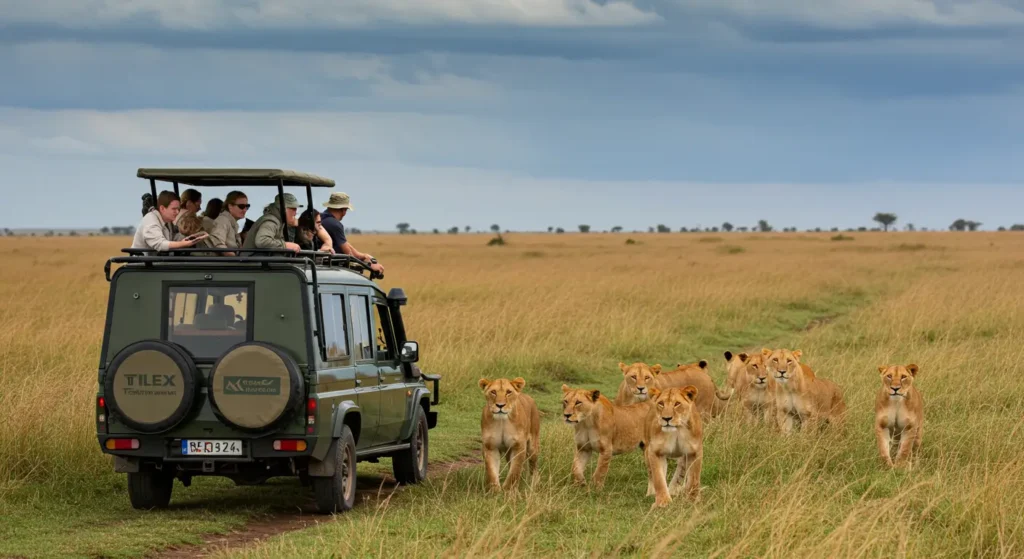
A Borderless Welcome
In January 2025, Kenya made a bold declaration to the world: no more visas for travelers. Instead, the government introduced a simplified Electronic Travel Authorization (ETA) system, eliminating the costly and time-consuming visa process for visitors from every corner of the globe.
For a country that draws over 2 million international tourists annually, this shift is not just bureaucratic—it is transformational. From the savannah plains of Maasai Mara to the beaches of Diani, Kenya is reimagining how global travelers experience Africa’s most iconic safari destination.
But what does this policy really mean for tourists, businesses, and the future of African tourism? Let’s dive in.
What Kenya’s Visa-Free Policy Means for Travelers
Kenya’s visa-free move means that travel barriers are finally falling. Visitors from the U.S., Europe, Asia, and Africa no longer need to apply for a traditional visa. Instead, they simply obtain an ETA online, valid for multiple entries.
- No consulate queues.
- No costly application fees.
- Instant approval in most cases.
This is a game-changer for tourists who previously faced paperwork delays. For African neighbors in particular, it cements Kenya’s position as a welcoming hub for regional tourism and business travel.

The Big Safari Boost
Kenya is already known worldwide as the safari capital of Africa, home to the Great Wildebeest Migration and the “Big Five.” But now, with fewer entry hurdles, tourism numbers are set to climb dramatically.
- Maasai Mara: Could see record-breaking crowds during migration season.
- Amboseli: Easier access for photographers chasing that iconic shot of elephants under Mount Kilimanjaro.
- Samburu & Tsavo: Lesser-known parks may benefit from spillover tourism.
Competing destinations like Tanzania and South Africa will now have to rethink strategies, as Kenya lowers costs and widens access.
Economic Impact on Kenya’s Tourism Industry
Tourism is not just leisure—it’s business. The sector contributes about 10% to Kenya’s GDP and supports hundreds of thousands of jobs. By scrapping visas, Kenya is:
- Encouraging longer stays → more hotel nights.
- Driving bookings for airlines, tour operators, and car rentals.
- Opening opportunities for conference and MICE (Meetings, Incentives, Conferences, Exhibitions) tourism.
According to Kenya’s Ministry of Tourism, this policy could add hundreds of millions in new revenue annually, positioning Kenya as East Africa’s economic powerhouse in tourism.
Global Tourism Trends: Why Visa-Free Is a Game-Changer

Kenya’s move aligns with a broader global trend of borderless travel. Countries worldwide are realizing that restrictive visas discourage tourists.
- Rwanda and Seychelles have long been open to all African travelers.
- Europe’s Schengen system made free movement possible across 27 nations.
- ASEAN countries in Asia are considering similar models.
For Africa, this policy echoes the African Union’s Agenda 2063, which envisions a continent with seamless borders. Kenya is now at the forefront of that dream, and its success could inspire neighbors
The Challenges Ahead
Every policy comes with its hurdles. For Kenya, visa-free entry will test:
- Security: Managing border checks to ensure safety without long delays.
- Overtourism: Popular parks like Maasai Mara may face pressure from higher visitor numbers.
- Sustainability: Ensuring tourism growth doesn’t harm wildlife or communities.
Tourism experts stress that conservation and community benefit-sharing must remain central to Kenya’s strategy, or the long-term costs could outweigh the gains.
What This Means for You as a Traveler
If you’re planning to visit Kenya in 2025, here’s what you need to know:
- Entry Process: Apply for an ETA online before travel. Approval is usually instant.
- Best Time to Visit: July–October for the wildebeest migration, December–March for beach holidays.
- Eco-Tips: Support community-owned lodges, minimize plastic use, and respect cultural traditions.
- Don’t Miss: Lamu Cultural Festival, Lake Turkana Festival, Nairobi’s new art scene.
Why Kenya’s Story Resonates Globally
From American backpackers to Chinese luxury travelers, Kenya’s visa-free future is sending a message: Africa is open. This is not just about safaris—it’s about redefining how global travelers interact with a continent rich in culture, innovation, and hospitality.
Kenya has made a strategic bet: that open borders will lead to open wallets and open hearts. If the gamble pays off, it could set the standard for African tourism in the next decade.
The World’s Safari Capital, Now More Accessible
Kenya’s visa-free future is more than a policy shift—it’s a transformation. It signals a country ready to welcome the world without barriers, to grow its economy while showcasing its culture, and to set the pace for Africa’s tourism sector.
For travelers across the globe, the message is simple: Kenya is open, and your safari adventure just got a lot easier.