


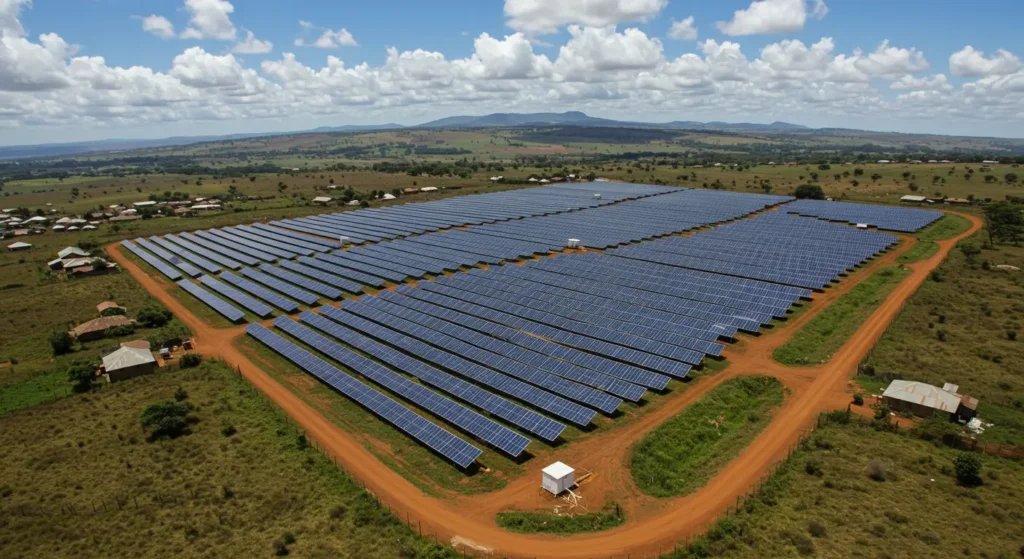
Kenya is emerging as a leader in climate finance in Africa through its innovative green bonds. These bonds have raised millions of dollars to fund renewable energy, sustainable agriculture, and climate-resilient infrastructure across the country.
The program aligns closely with the United Nations Sustainable Development Goals and Kenya’s national climate strategy. Green bonds allow both public and private investors to fund projects with measurable environmental impact. By attracting investment at scale, the initiative is ensuring long-term sustainability and climate resilience. Local communities are already benefiting through improved energy access and agricultural support.
Since launching its first green bond in 2019, Kenya has attracted attention from global investors and development institutions. The bonds have funded projects ranging from solar farms to wind energy and climate-smart irrigation. Over KES 50 billion has been mobilized, with transparent reporting on the environmental outcomes.
The bonds are structured to ensure accountability and measurable results, which helps maintain investor confidence. Government officials say this financial model demonstrates how African countries can lead in climate action. International agencies, including the World Bank and African Development Bank, have supported Kenya’s green bond framework.
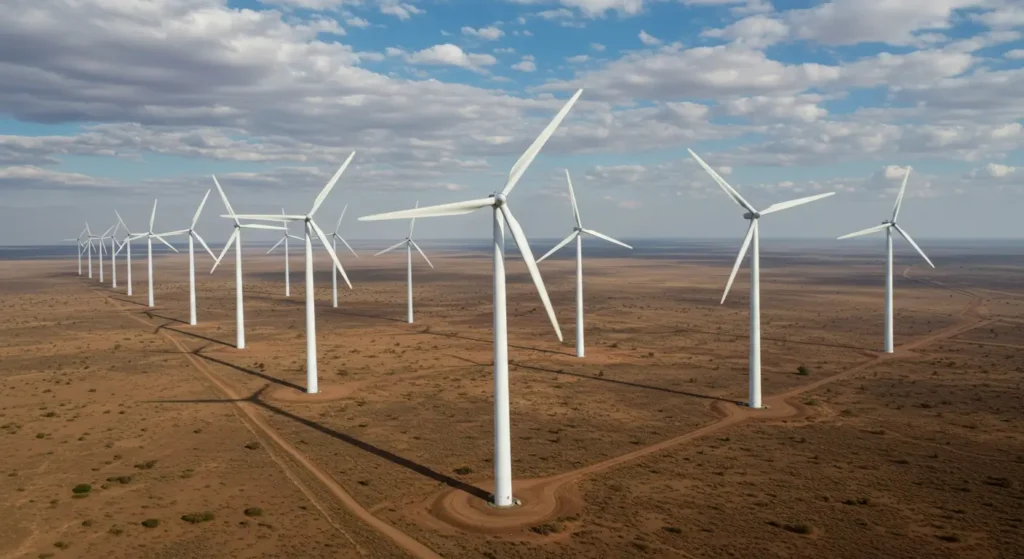
Renewable energy projects have been a major focus of the bond program. The Garissa Solar Farm and Lake Turkana Wind Power Project are among the key initiatives funded. These projects provide clean electricity to thousands of households and businesses. They also reduce reliance on fossil fuels and help cut carbon emissions. Investors are attracted by the combination of financial returns and tangible climate impact. The success of these projects has positioned Kenya as a model for other African nations.
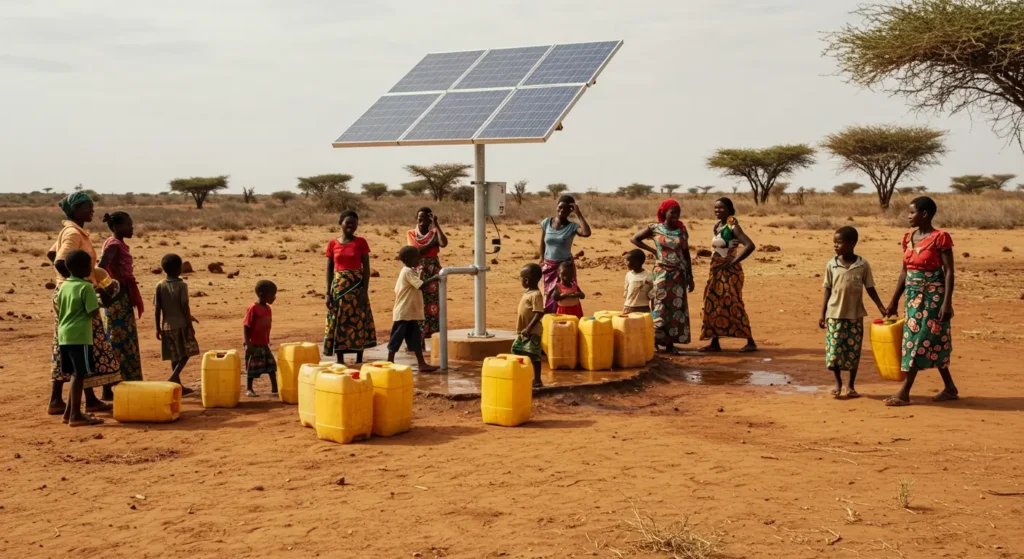
Climate-smart agriculture has also benefited significantly from green bond funding. Farmers in arid and semi-arid regions receive support for drought-resistant seeds, irrigation systems, and soil restoration. These interventions improve crop yields while reducing vulnerability to climate shocks. Communities are better able to maintain food security even during periods of extreme weather. The program emphasizes sustainability, ensuring that the benefits continue over the long term. Experts say this approach demonstrates how finance can directly support community resilience.
Green bonds also contribute to Kenya’s National Climate Change Action Plan. The funds support mitigation, adaptation, and sustainable resource management initiatives. Annual reports provide detailed insights into how funds are allocated and the resulting environmental outcomes. Transparency in reporting has helped attract both local and international investors. Projects funded by these bonds have reduced over 400,000 tons of CO₂ annually. They have also provided renewable energy access to more than 150,000 households.
The program relies on strong partnerships between the public and private sectors. Local banks such as KCB and Equity Bank distribute the bonds to institutional and retail investors. Development agencies provide technical support and partial guarantees to enhance credibility. International investors, including the IFC, have purchased portions of Kenya’s bond issuances. These collaborations ensure that the program is scalable and sustainable. Experts note that this partnership model can be replicated across Africa.
The measurable impact of Kenya’s green bonds is drawing global attention. Investors increasingly demand projects that combine financial returns with environmental and social benefits. Kenya’s program tracks reductions in emissions, increases in renewable energy generation, and improvements in community livelihoods. These metrics make the program a credible example of climate finance in action. Media coverage has amplified the success of the initiative. It positions Kenya as a pioneer in using innovative financial tools for climate resilience.
African countries are looking to replicate Kenya’s success. Nigeria, Ghana, and South Africa have expressed interest in launching similar green bond programs. Analysts emphasize that effective governance, transparency, and measurable outcomes are key to success. Kenya’s example shows that developing countries can mobilize private capital for climate solutions. Lessons from Kenya can help other nations meet their climate and sustainable development goals. This cross-country learning could accelerate climate action across the continent.
Journalists have played a critical role in highlighting the impact of green bonds. Reporting by climate-focused writers showcases how finance, policy, and community action intersect. Stories like these help attract international attention, funding opportunities, and technical support. Nexus PR Africa has been documenting these developments, positioning Kenya’s green bonds as a model for Africa. Coverage emphasizes measurable impact and replicable solutions, attracting recognition from UN agencies, development banks, and global climate networks.