

Northern Kenya is emerging as the future of sustainable tourism in Africa. Discover culture, landscapes, and eco-travel opportunities global travelers crave.
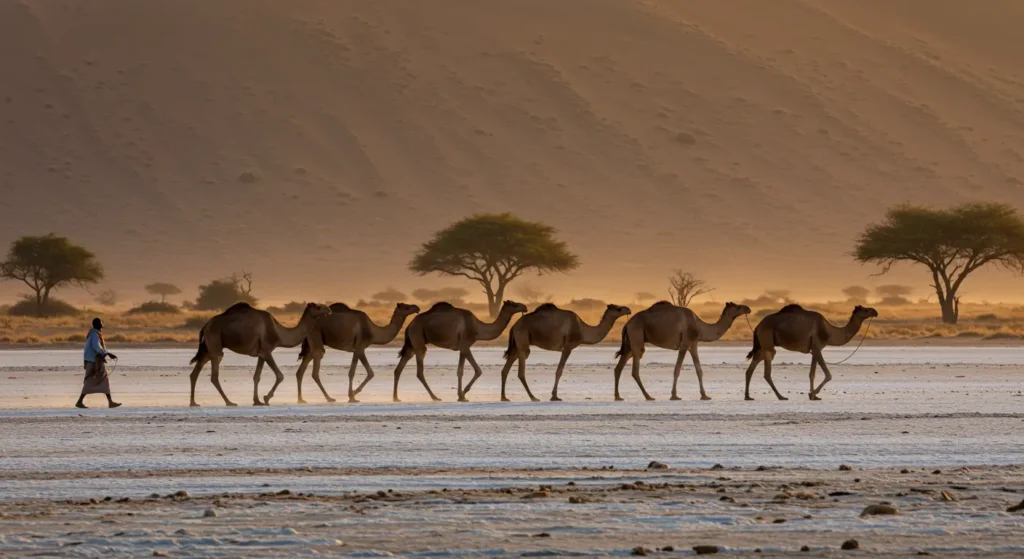
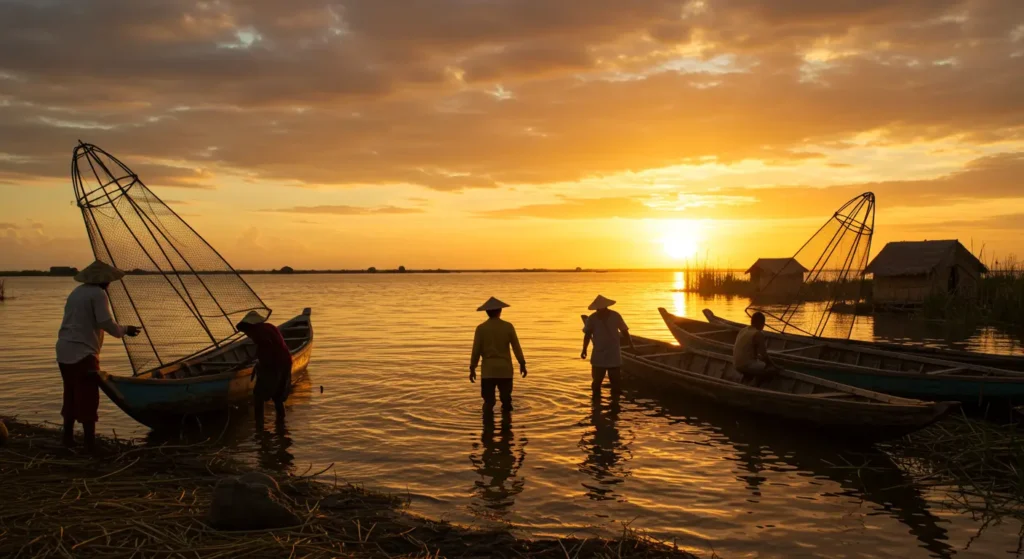
The sun rises over Lake Turkana and casts jade reflections across the desert waters. A fisherman’s canoe rests silently on the shore as camels walk slowly in the distance. The landscape feels like a secret the world has not yet discovered. This is Northern Kenya, once dismissed as remote and inaccessible, now steadily becoming the most exciting frontier in African travel. For decades, international travelers focused on the Maasai Mara, Amboseli, or the sandy beaches of the Kenyan coast. These remain iconic, but they are also crowded, predictable, and often overdeveloped. Northern Kenya is different. It is raw, unspoiled, and authentic. For travelers, investors, and organizations seeking to shape the future of sustainable tourism in Africa, this is the region to watch.
Northern Kenya tourism is no longer just about remoteness. It is about discovery. It is about stepping into landscapes where the desert meets green oases, where cultural traditions thrive without being staged, and where communities themselves are redefining what eco-tourism in Kenya means. As more international visitors search for destinations that feel real, the north offers exactly what modern travel demands: authenticity, cultural connection, and sustainability.
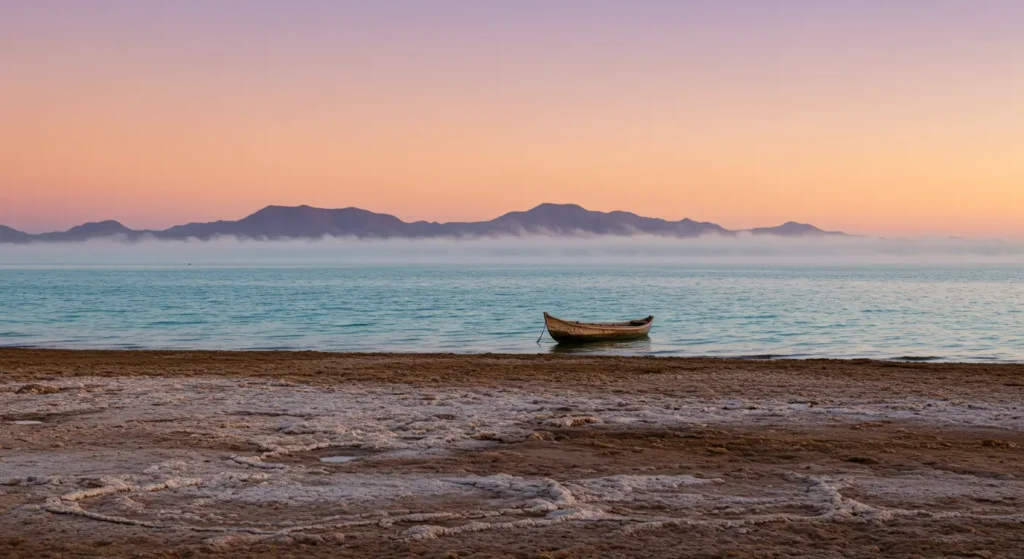
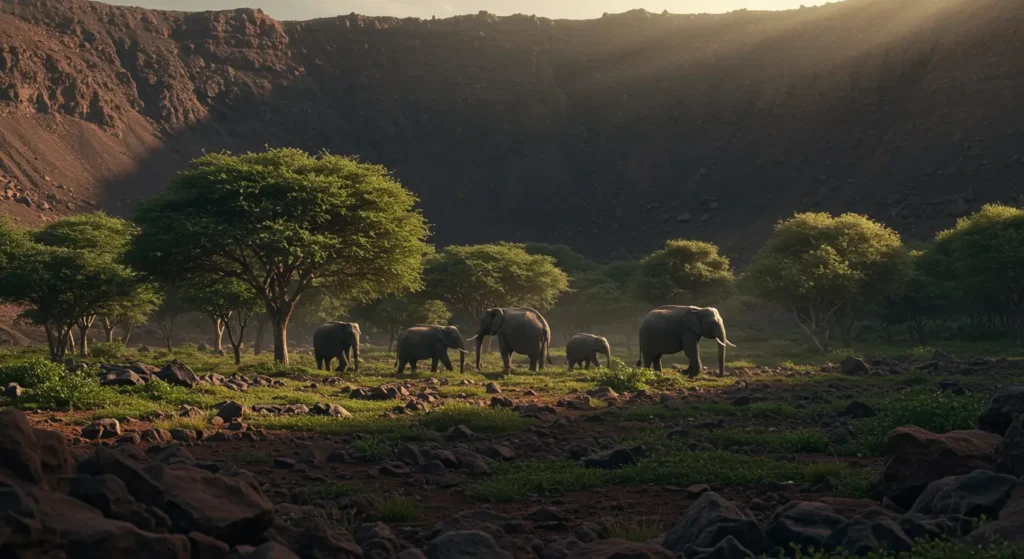
The wilderness here is unmatched. The Chalbi Desert stretches endlessly, shimmering with salt pans under the harsh sun, yet holding a beauty that is unforgettable. The Matthews Range rises suddenly from the semi-arid plains, offering green canopies and mountain streams in the middle of drylands. Marsabit, with its forested crater and elephants walking silently through volcanic landscapes, feels like a hidden paradise. Lake Turkana, the world’s largest desert lake, glows with jade waters that seem to defy the arid surroundings. Samburu National Reserve is home to wildlife species that cannot be found elsewhere, from the reticulated giraffe to the rare Grevy’s zebra. Each location is a story. Each destination is a reminder that Northern Kenya is not just another place to visit, but a journey into the essence of Africa’s future travel experiences.
Yet the landscapes are only one part of the story. Northern Kenya is home to communities whose traditions and resilience make the region even more compelling. The Samburu, Turkana, Rendille, Borana, and Gabra people live in ways that connect the past to the present. Beadwork, warrior dances, fishing festivals, camel caravans these are not performances designed for tourists but practices rooted in survival and identity. When a traveler attends a Turkana cultural festival or shares stories with a Samburu family around a fire, the experience is real. Cultural tourism in Northern Kenya is not about staged shows but about genuine human exchange. This authenticity has become rare in the global travel market, making it one of the region’s greatest strengths.
Sustainability also sits at the heart of the story. Across Northern Kenya, conservancies are managed by local communities, with organizations such as the Northern Rangelands Trust helping to link tourism revenue directly to schools, healthcare, and conservation. A traveler’s presence does not just create memories — it funds development and peace-building. Eco-lodges powered by renewable energy, wildlife corridors protected by communities, and beadwork projects run by women’s groups show that tourism here is more than leisure. It is a lifeline for both people and nature. In an era when global travelers want to know that their money supports responsible tourism, Northern Kenya demonstrates what the future of eco-tourism in Africa looks like.
Accessibility has always been seen as a barrier, but even this is changing. Improved road networks now connect towns once thought unreachable. Domestic flights make it easier to access Marsabit, Isiolo, or Loiyangalani. The Isiolo International Airport has transformed the region into a new hub for both domestic and international travelers. The narrative of Northern Kenya being “too far” is fading quickly. For visitors flying in from Europe, North America, or the Middle East, what was once remote is now within reach. Airlines, safari companies, and luxury tour operators are beginning to see the north not as a challenge but as an opportunity.
The global tourism industry itself is shifting, and Northern Kenya is perfectly positioned to benefit. Travelers after the pandemic no longer want mass tourism or crowded resorts. They seek open spaces, authentic culture, and sustainable models that leave a positive impact. Northern Kenya ticks all these boxes. Luxury safari companies are offering eco-conscious trips here. NGOs and conservation groups are piloting tourism-driven community projects. Investors are exploring adventure lodges, desert expeditions, and cultural festivals as new attractions. For governments and private sector players, this region represents both an economic opportunity and a sustainability model. The future of tourism in Africa is being shaped in Northern Kenya, and it is a future that values authenticity as much as revenue.
Of course, challenges remain. Climate change continues to impact rainfall and grazing patterns. Insecurity in some areas requires ongoing peace efforts. Infrastructure, though improving, still lags behind Kenya’s more famous destinations. But these challenges are not roadblocks. They are invitations for innovation. Renewable energy solutions are already being introduced in lodges and villages. Tourism revenue funds peace agreements between pastoralist groups. International partnerships support wildlife monitoring and climate resilience projects. Each step demonstrates that Northern Kenya is not passively waiting for change. It is actively building a tourism model that others can follow.
For travelers, the appeal goes beyond destinations. It is about joining a story of resilience and renewal. Crossing the Chalbi Desert on camelback, watching elephants in Marsabit, attending a Turkana festival, or listening to Samburu elders share stories are not isolated activities. They are part of a larger narrative of culture, conservation, and connection. Each visitor becomes a participant in this story, not just an observer. This is what makes Northern Kenya different from conventional tourism. It offers not just sights, but meaning.
For international organizations and investors, Northern Kenya is a living laboratory of what sustainable tourism can achieve. Community conservancies demonstrate that protecting wildlife and generating income are not opposing goals. Cultural tourism shows that heritage can be preserved and monetized without being exploited. Adventure tourism proves that harsh landscapes can attract global visitors when framed as unique challenges. Each project offers lessons that extend beyond Kenya and into the wider African tourism landscape.
This article marks the beginning of a journey twenty-one days of stories about Northern Kenya. Each day will focus on a new perspective: the deserts, the lakes, the mountains, the people, the festivals, and the opportunities that together define this region. It is an invitation to travelers, to organizations, and to governments to see the north not as the periphery but as the center of Africa’s tourism future.
As the first day closes, the message is clear. Northern Kenya is no longer just an overlooked landscape. It is the frontier where Africa’s next chapter in tourism will be written. For global travelers seeking authentic and eco-conscious adventures, for investors seeking growth, and for organizations seeking sustainable models, the north provides answers. Falling in love with Northern Kenya is not just about falling in love with a destination. It is about embracing a vision of Africa’s tourism future — one that is authentic, inclusive, and sustainable.