

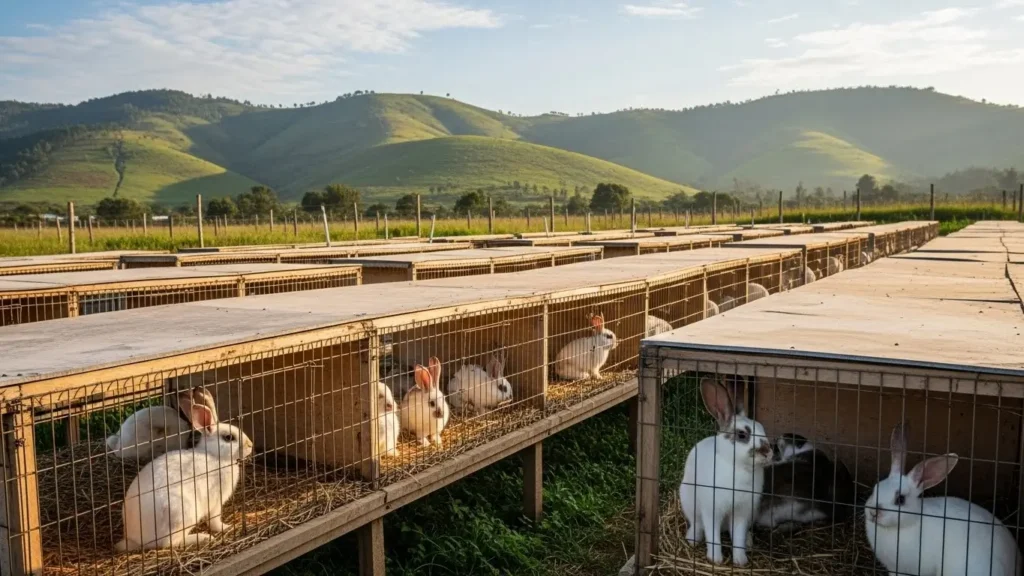
From Backyard Rearing to Scalable Agribusiness
In Kenya, rabbit farming has quietly evolved from a small backyard activity into a serious agribusiness opportunity, especially in regions such as Kiambu, Murang’a, Nakuru and Mombasa. This shift is driven by rising demand for healthy, lean protein and the realization that rabbits require less space, lower feed inputs and shorter production cycles than many traditional livestock options.
While many farmers still begin with a few rabbits for household consumption, the most successful ones approach rabbit rearing as a business. They build structured breeding systems, track production costs and create deliberate market linkages. As a result, rabbit farming is increasingly seen as a pathway to income diversification, food security and agritourism in Kenya.
Breeding: The Foundation of a Profitable Rabbit Enterprise
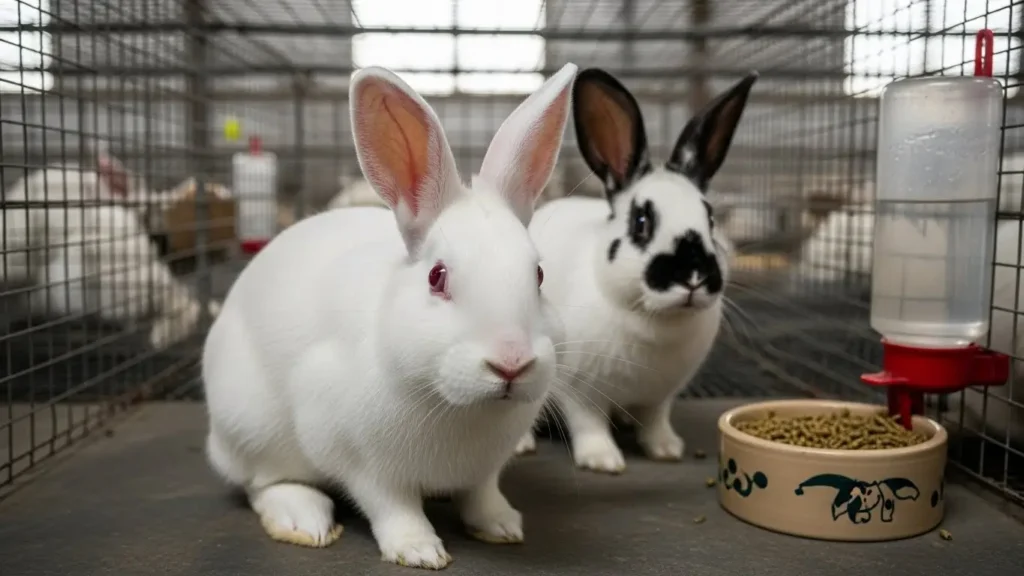
Breeding is the backbone of any profitable rabbit enterprise, yet it is also where many farmers struggle. In Kiambu and Murang’a, some producers are transitioning toward organized breeding systems, prioritizing high-yield breeds such as New Zealand White and Californian rabbits to ensure consistent growth rates and meat quality.
However, many farmers still rely on informal breeding arrangements and local stock, increasing the risk of inbreeding and uneven performance. Farmers who document breeding cycles, survival rates and growth outcomes not only improve productivity but also build trust with buyers who require reliable and consistent supply. As demand increases, record-keeping is becoming a competitive advantage rather than an administrative burden.
Feeding and Production Costs: Where Profit Is Won or Lost
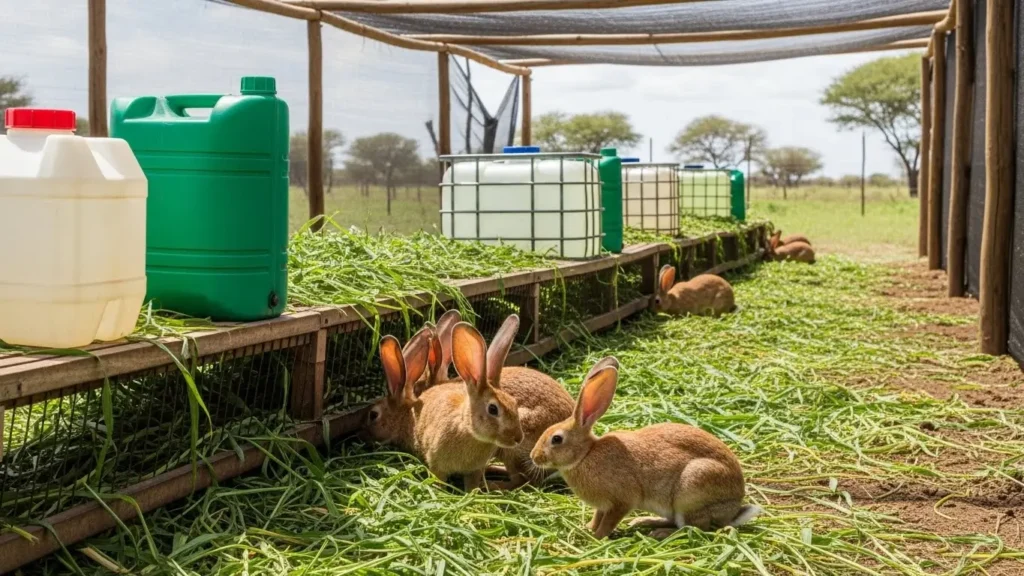
Feeding and production management remain the largest cost drivers in rabbit farming, often accounting for more than half of total expenses. In Nakuru, farmers integrating rabbit rearing with crop production are discovering that rabbits can thrive on local forages and crop residues, significantly reducing dependence on expensive commercial feeds.
In Mombasa, the challenge is different. Heat and humidity can stress rabbits, lowering productivity if housing design, ventilation and water access are poorly managed. Farms that openly share their feeding strategies and cost structures are increasingly attracting interest from investors, NGOs and development partners seeking scalable models for affordable protein production. Transparency is becoming a growth strategy.
Housing and Welfare
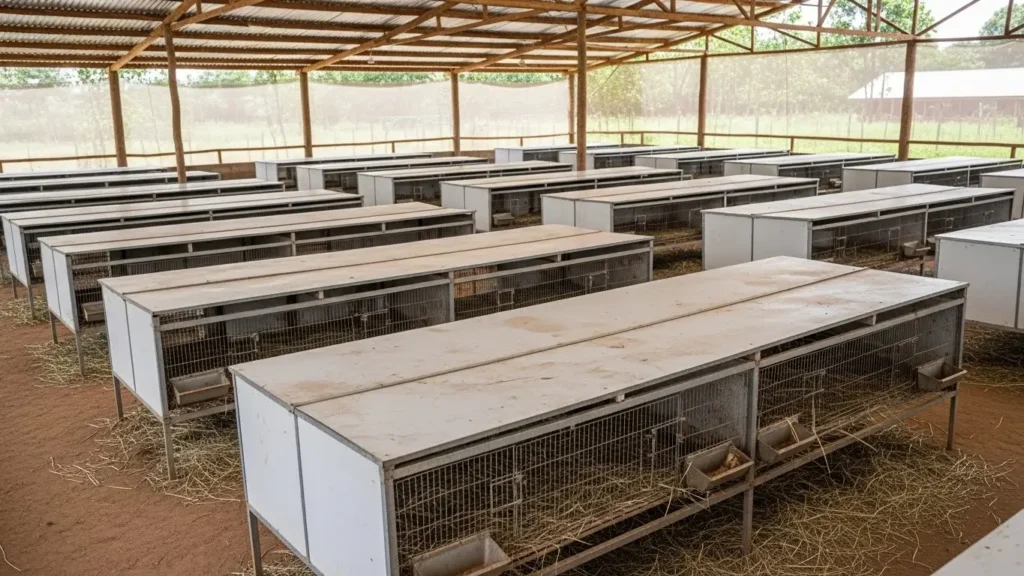
Animal welfare and housing standards are gaining importance as buyers demand better hygiene and traceability. Institutional buyers—such as hotels, wellness brands, and specialty restaurants increasingly prefer suppliers who can visibly demonstrate good welfare practices and clean production environments.
Processing: The Industry’s Biggest Bottleneck
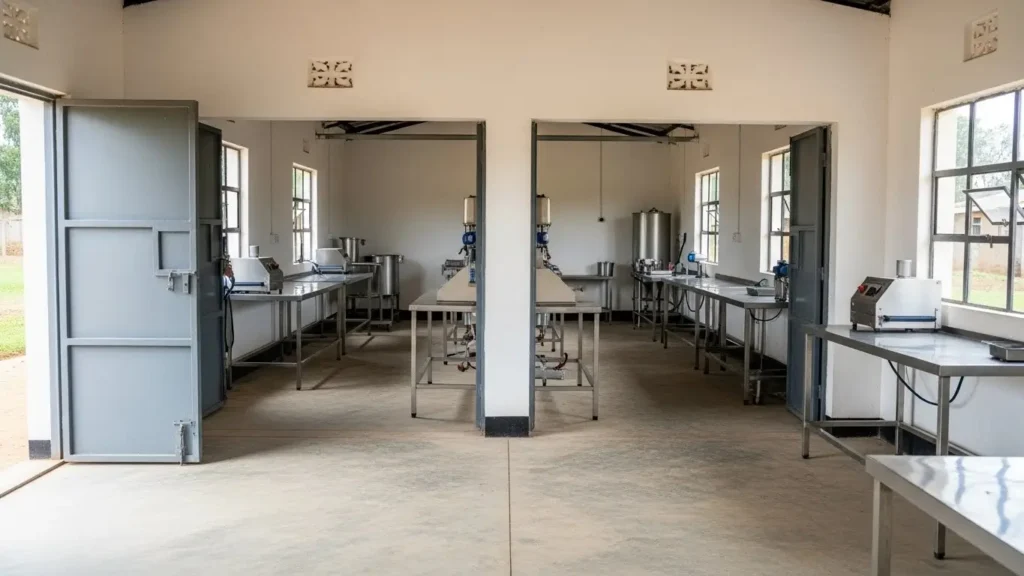
Despite growing demand, processing and slaughter remain major obstacles in Kenya’s rabbit value chain. Certified facilities are limited, forcing many farmers to rely on informal systems that prevent access to supermarkets and premium buyers.
In counties like Nakuru, where demand is strong, this infrastructure gap is especially visible. As consumers become more conscious about food safety and traceability, farms that can supply properly processed rabbit meat will gain a significant competitive edge. This challenge also represents an opportunity for cooperatives and agripreneurs to invest in compliant processing solutions that unlock higher prices and stable markets.
Market Access: Beyond Price, Toward Professionalism
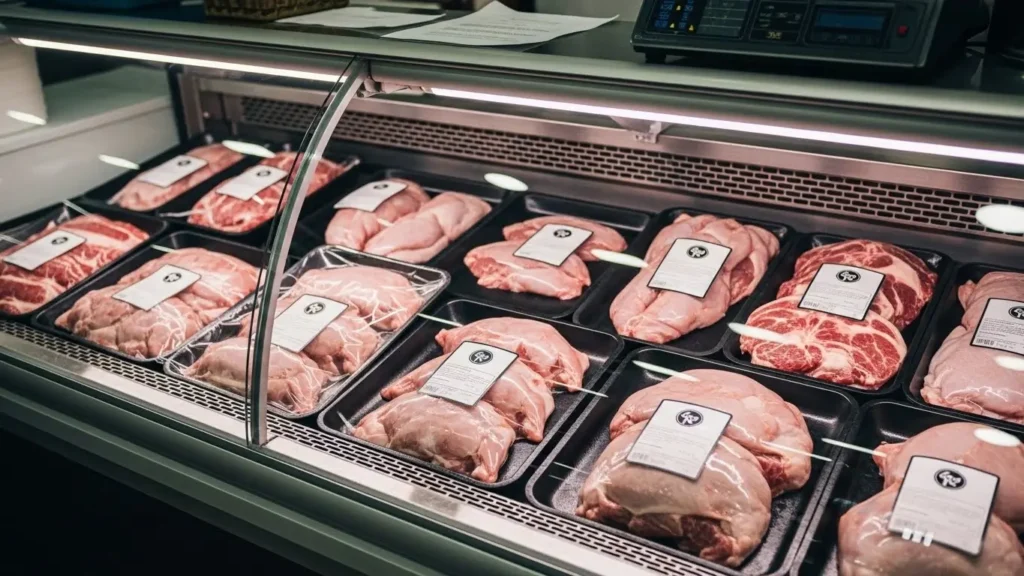
Market access ultimately determines whether rabbit farming is profitable or frustrating. Urban centers particularly Nairobi and its surrounding counties are seeing growing demand, but buyers increasingly respond to farms that present themselves professionally and communicate value beyond price.
In Murang’a, farmers positioning themselves as reliable suppliers and educators are forming long-term relationships with hotels and restaurants seeking clean, locally sourced protein. In Mombasa, rabbit farms that integrate agritourism into their operations are generating additional income through educational tours and community training, helping them remain resilient during price fluctuations.
The future of Rabbit farming in kenya:
The future of rabbit farming in Kenya lies in understanding that agriculture is both production and communication. The farms that will thrive are those that clearly show what they do, how they do it and why it matters.
Across Kiambu, Murang’a, Nakuru, Kajiado and Mombasa, the most successful rabbit enterprises are documenting their practices, sharing honest results and building trust through transparency. By telling local stories and presenting real evidence of success, rabbit farmers and agribusiness professionals can strengthen the value chain from breeding to market.
Rabbit farming in Kenya is no longer just about raising animals . it is about building systems that scale, adapt, and create value at every step.