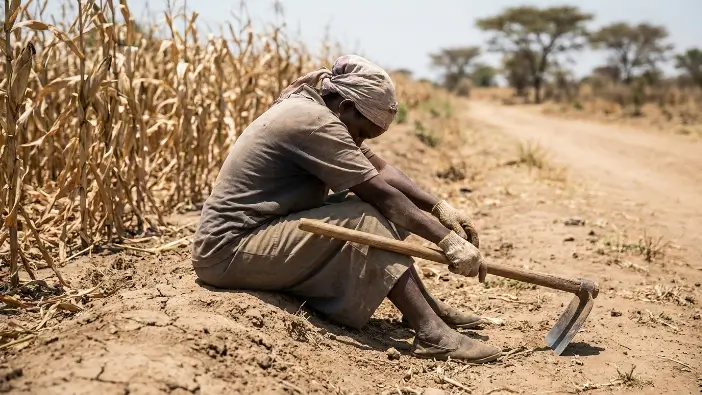


Kenya’s youth are driving a renewable energy revolution, creating solutions that bring electricity to rural communities while addressing climate change. Solar panels, wind turbines, and mini-grid systems are being developed by young innovators across the country.
These projects reduce dependence on fossil fuels and increase access to reliable energy in off-grid areas. Partnerships with NGOs, local governments, and international agencies provide technical support and funding. Many projects focus on combining clean energy with income-generating activities for communities. Youth-led initiatives are gaining recognition as scalable models for climate action in Africa.
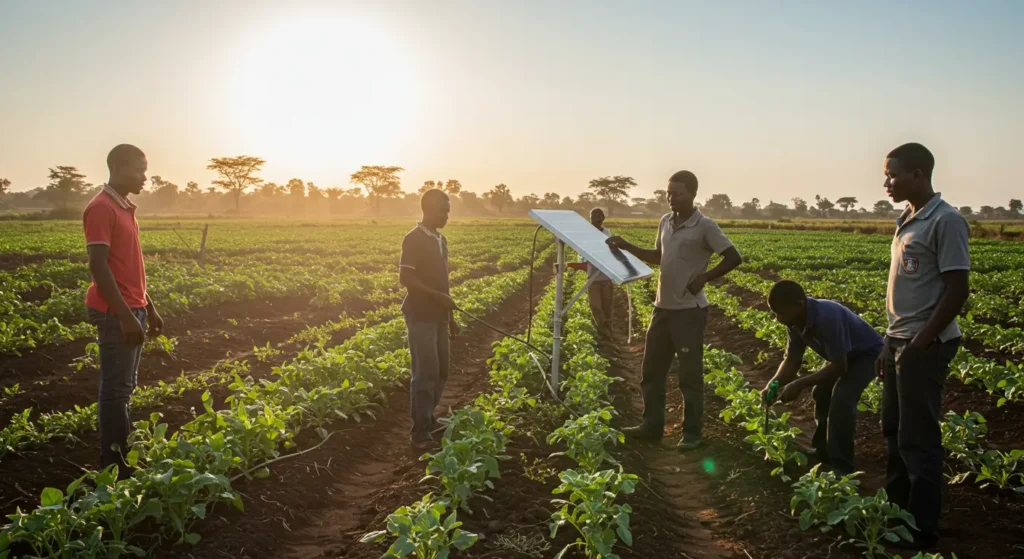
In western Kenya, a group of university graduates has installed solar-powered irrigation systems to support smallholder farmers. The initiative improves crop yields and ensures year-round water availability. Community members receive training on maintaining the systems, creating local expertise. This approach demonstrates how renewable energy can directly improve livelihoods. Funding comes from a combination of microfinance, grants, and crowdfunding platforms. The project is already powering dozens of households and farm cooperatives.
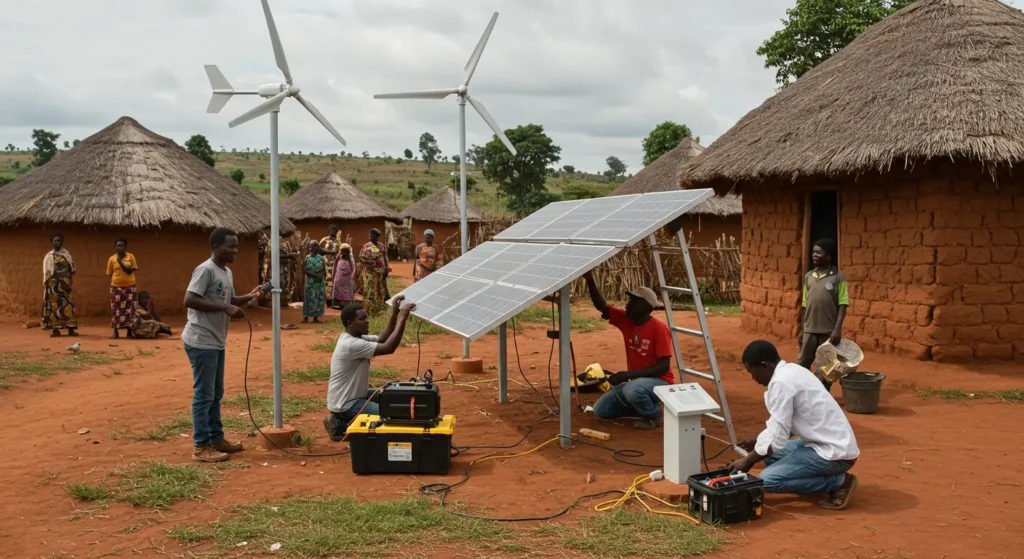
In rural Turkana, youth innovators are piloting wind and solar mini-grids. These systems provide electricity for schools, clinics, and homes in remote areas. The installations reduce the need for diesel generators and cut carbon emissions. Local technicians are trained to maintain and expand the grids. Donors have praised these projects for combining environmental and social benefits. They are seen as a model for other arid regions in East Africa.
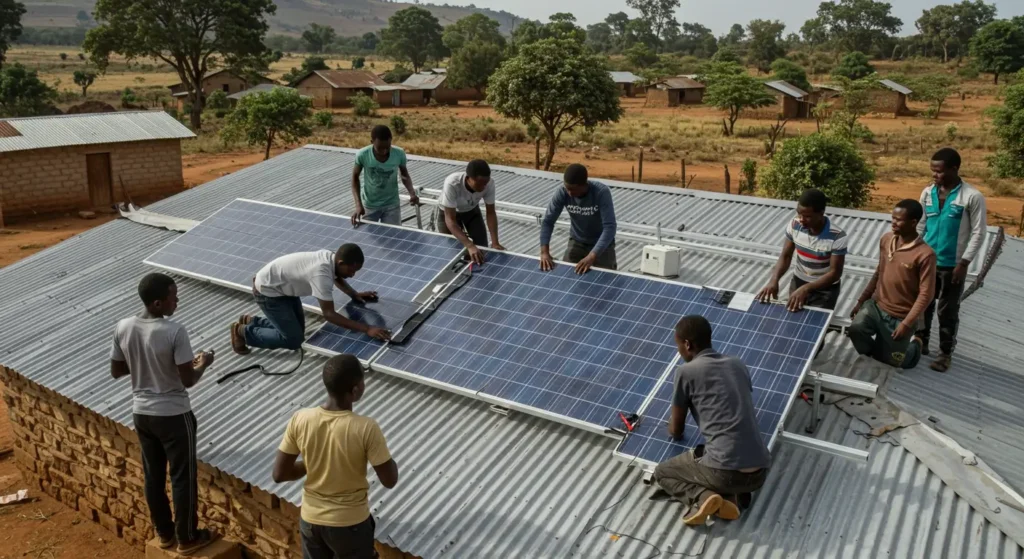
Several startups are developing affordable solar home systems. These provide lighting, phone charging, and small appliance power to households without grid access. The systems are designed to be low-cost and durable, suitable for rural conditions. Young entrepreneurs are leading the design, installation, and maintenance processes. Training programs ensure that local youth can operate and repair the systems. The combination of technology and community engagement strengthens sustainability.
Youth-led energy projects also focus on women and marginalized groups. Solar kiosks and mini-grids provide income-generating opportunities, especially for women entrepreneurs. Training programs include financial literacy and energy management skills. This approach ensures equitable benefits and community ownership. The initiatives also support climate education, teaching communities about renewable energy and sustainability. Stakeholders report improved quality of life and social empowerment. The projects showcase the potential of youth-driven climate solutions.
Funding and partnerships are key to scaling these innovations. International donors, NGOs, and local governments provide grants and technical assistance. Some projects are financed through social impact investment funds. Collaboration with universities supports research, design, and monitoring of impact. Youth innovators often present their projects at climate forums to attract additional funding. Recognition helps expand the reach of renewable energy solutions to more communities.
The environmental impact of these initiatives is measurable. Solar and wind installations reduce CO₂ emissions by replacing fossil fuel sources. Projects are monitored for energy output, community reach, and climate impact. Schools and clinics benefit from consistent power, reducing operational costs and improving services. Local youth become advocates for renewable energy and climate action. The success of these projects encourages replication in other counties. Kenya’s youth are demonstrating leadership in sustainable energy development.
Challenges include financing gaps, technical expertise, and infrastructure limitations. However, mentorship programs and partnerships help overcome these barriers. Youth innovators are also networking with regional and international peers to share knowledge. Community engagement ensures adoption and sustainability of the systems. Despite obstacles, these initiatives continue to grow and make measurable impact. The projects highlight the transformative potential of young leaders in climate action.
Kenya’s experience illustrates that youth can be powerful agents of change in renewable energy. By combining innovation, community engagement, and sustainable practices, young people are addressing both energy poverty and climate change. Support from governments, donors, and NGOs amplifies their impact. The initiatives are models for other African countries seeking climate solutions. Local communities benefit economically, socially, and environmentally. Youth-led renewable energy projects are shaping Kenya’s path to a sustainable, low-carbon future.