

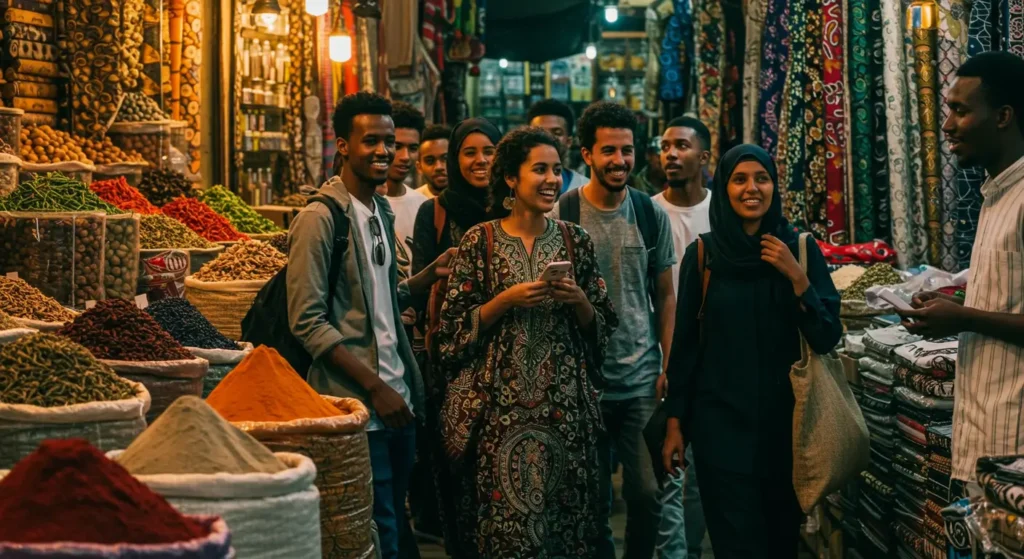
For decades, Somalia’s story has been marked by migration, displacement, and survival. Millions of Somalis left the country during years of conflict, creating one of the largest diaspora communities in Africa and beyond. Today, however, a new chapter is being written, as members of the Somali diaspora are returning home—not only to reconnect with family but to rediscover their cultural roots and participate in a slowly growing tourism revival. This movement is transforming how Somalia is perceived abroad while creating new opportunities for the local economy.
For many Somalis abroad, the decision to return is deeply personal. They carry memories passed down by parents and grandparents about Mogadishu’s golden beaches, bustling markets, and rich traditions. In countries like the United States, United Kingdom, Canada, and across Europe, Somali communities have long kept those stories alive. Now, with improved stability in parts of Somalia and renewed entrepreneurial energy, members of the diaspora are eager to experience these places firsthand. Tourism becomes a bridge, allowing them to reconnect with the homeland while contributing to its future.
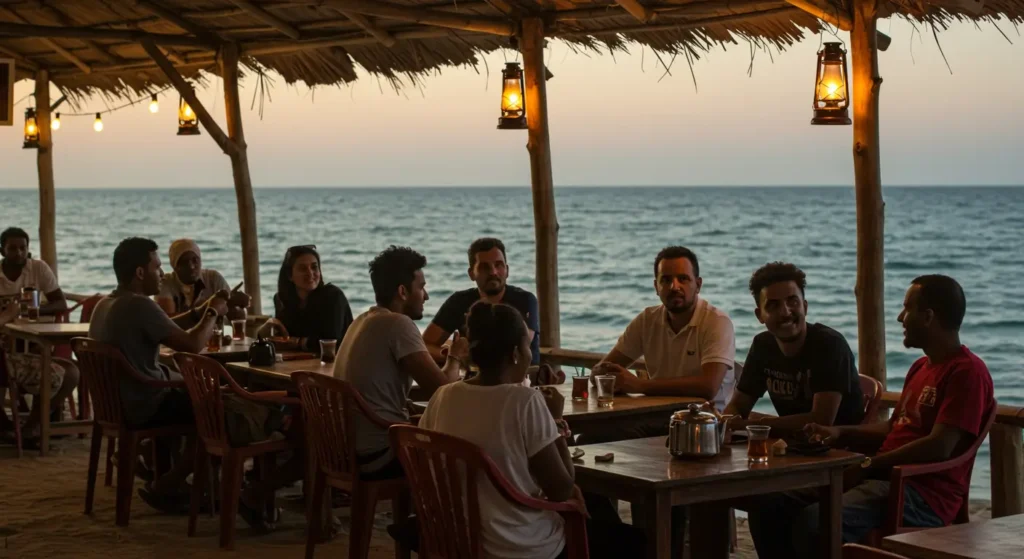
Mogadishu’s Lido Beach has become one of the most symbolic spaces for this return. Once off-limits, it now attracts both locals and diaspora visitors who swim in turquoise waters, sip tea at beachside cafés, and walk along the shorelines that were once described only in memories. For many diaspora Somalis, standing on that sand represents both continuity and change—it is the same ocean their parents once enjoyed, but now infused with the hope of a new beginning. The emotional pull of these moments explains why diaspora tourism is not just about leisure; it is about identity, healing, and rediscovery.
Beyond the beaches, cultural heritage is another powerful magnet. Somali music, poetry, and traditional dances are being revived in community events that often draw diaspora visitors. Historical landmarks in Mogadishu, such as the Arba’a Rukun Mosque, are reminders of Somalia’s deep Islamic history and architecture. Visiting these places allows the diaspora to reconnect with the cultural depth of a country that has been overshadowed by conflict. Many young returnees, born abroad, describe their visits as a way of piecing together their identity, understanding not only where they come from but also what role they can play in shaping Somalia’s future.
Economics also plays a strong role in diaspora-driven tourism. Returnees are not only spending money as visitors but also investing in businesses that support tourism. Beach cafés, boutique hotels, and cultural tour companies often have diaspora backing. Some young entrepreneurs use their savings or networks abroad to fund these ventures, bringing with them global business skills and modern service standards. This investment strengthens Somalia’s local economy and creates jobs, but it also sets the tone for a more professional and internationally connected tourism industry. In this sense, diaspora tourism is both a consumer market and a source of capital.
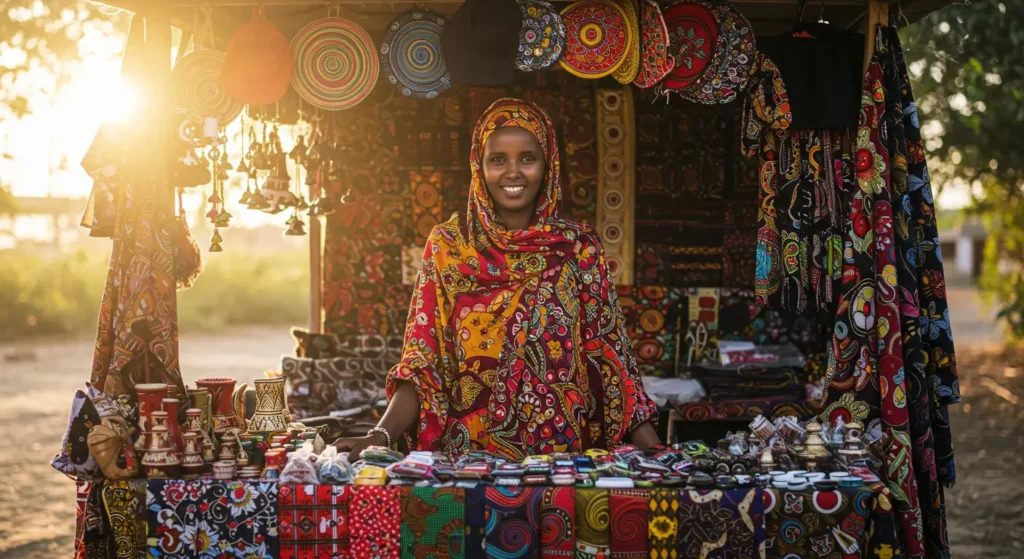
Social media has amplified this trend. Platforms like Instagram, TikTok, and YouTube are full of Somali diaspora influencers sharing videos of their trips back home. From walking on Lido Beach to enjoying Somali cuisine, these posts reach thousands of followers worldwide. The effect is powerful: they challenge stereotypes, reshape perceptions, and encourage more members of the diaspora to consider returning. For young Somalis born abroad, seeing a peer confidently traveling through Mogadishu can be the spark that convinces them to visit. Tourism, therefore, becomes contagious, spreading through stories and visuals that inspire pride and curiosity.
Of course, challenges remain. Safety and infrastructure are ongoing concerns, and international travel advisories continue to discourage non-essential travel to Somalia. Yet diaspora visitors are often willing to navigate these risks because of their strong emotional connection to the country. Many organize trips around trusted networks, family members, or entrepreneurs offering guided experiences with security measures in place. This resilience shows that tourism in Somalia may first grow from within—through the diaspora—before expanding to a wider global market.
The significance of diaspora tourism goes beyond numbers. It is a form of cultural diplomacy that strengthens ties between Somalia and the rest of the world. Every diaspora visitor who returns becomes an informal ambassador, sharing personal stories that counterbalance decades of negative headlines. When they bring friends or post photos online, they amplify Somalia’s softer image as a place of beaches, culture, and resilience. This shift in narrative is as valuable as the economic benefits, because it reintroduces Somalia to the world not as a place defined by war, but as a country with heritage and potential.
Looking ahead, diaspora tourism has the potential to become the backbone of Somalia’s tourism industry. It may not bring mass tourism immediately, but it provides a stable foundation of visitors with personal reasons to return and invest. Each journey strengthens identity, fuels entrepreneurship, and contributes to local livelihoods. In time, as stability grows, the diaspora’s role as early adopters of Somali tourism could pave the way for international travelers seeking authentic, unexplored destinations. What begins as a personal homecoming may ultimately transform into a national renaissance.