

Somalia’s story has long been defined by conflict, displacement, and insecurity, but a new chapter is unfolding that few outside the country have noticed. Against all odds, a growing group of young Somali entrepreneurs are reshaping the nation’s image by venturing into tourism. They are offering guided tours, opening cafés along the coast, building small hospitality ventures, and daring to show the world that Somalia is more than its past struggles. Their work is still fragile and faces undeniable risks, but it represents one of the most hopeful signals that Somalia is slowly reclaiming its place on the map of Africa’s tourism destinations.
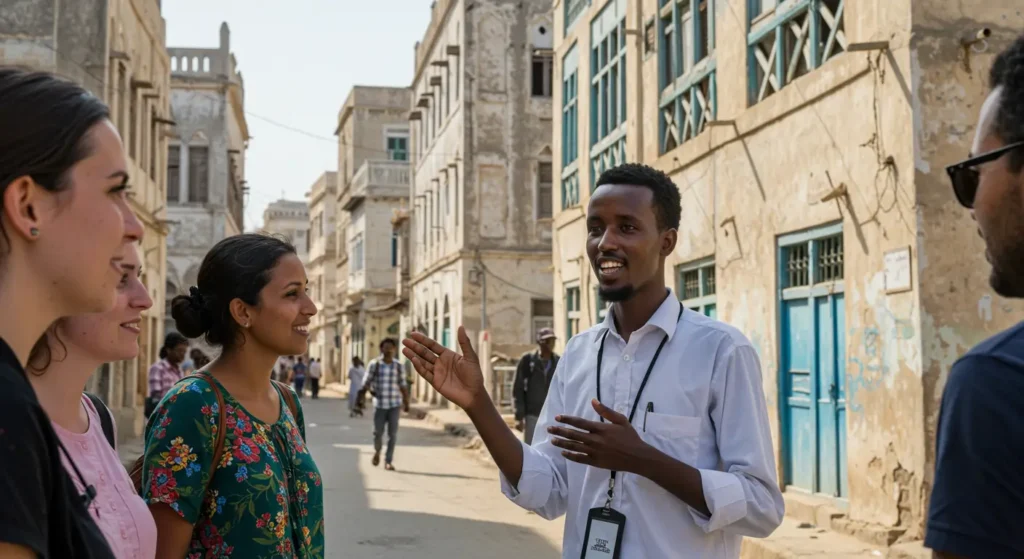
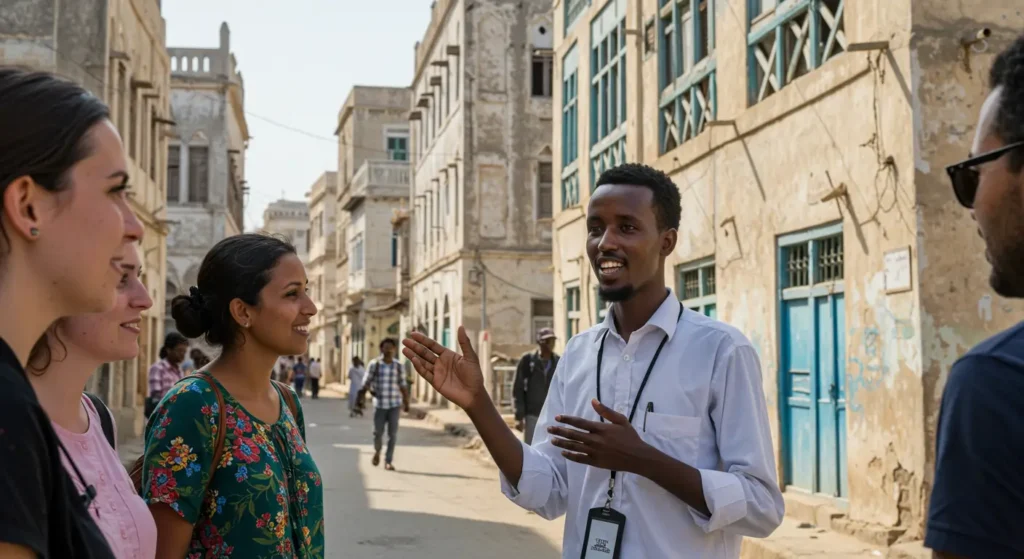
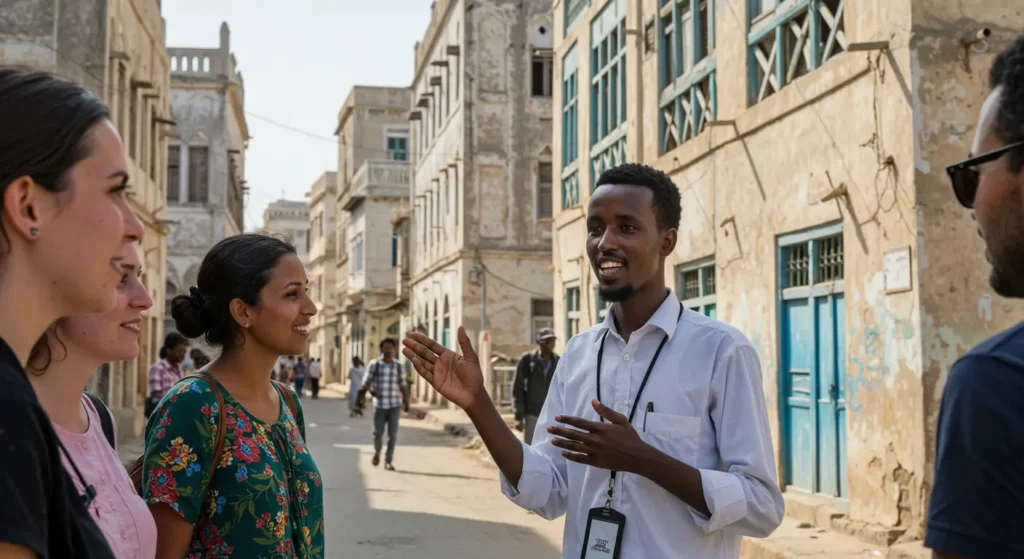
At the center of this movement are small businesses that see opportunity in what was once considered impossible. Guided tours, for instance, are beginning to appear in Mogadishu and along coastal towns. These are not large-scale commercial ventures but grassroots initiatives run by passionate locals who believe their country has beauty and culture worth sharing. They walk visitors through markets, beaches, cultural landmarks, and even historical sites that survived decades of turmoil. For many tourists—especially those from the Somali diaspora—these guided experiences offer both a sense of safety and a bridge to rediscovering a homeland they may have left behind years ago. Each tour is carefully organized, often with a focus on providing security and reassurance, and this makes the idea of visiting Somalia more accessible than ever before.
Alongside tours, the hospitality scene in Somalia is quietly reinventing itself. Lido Beach in Mogadishu, once symbolic of division, is now an emerging symbol of leisure and resilience. Small cafés and beachside restaurants are opening to serve both locals and visitors, often run by young entrepreneurs who returned from the diaspora with a vision for change. These ventures are modest in scale but powerful in impact. They provide jobs, stimulate small-scale investment, and most importantly, change the narrative of Somalia from one of conflict to one of creativity and renewal. A cup of Somali tea by the beach, a freshly prepared seafood dish, or a guided evening walk on the shoreline may seem ordinary, but in Somalia, these are extraordinary markers of progress.
The Somali diaspora has played a major role in this entrepreneurial wave. Many young people who grew up or studied abroad are returning with new skills, ideas, and capital. They bring with them digital marketing strategies, online booking systems, and global perspectives on customer service. Social media pages dedicated to Somali travel experiences are beginning to emerge, showcasing images of pristine beaches, vibrant markets, and smiling guides who are eager to host visitors. The power of platforms like Instagram and YouTube cannot be underestimated here, as they allow young businesses to market Somalia to a global audience without relying on traditional tourism boards or large institutions. Through hashtags and travel vlogs, Somalia is slowly finding its way into conversations about African destinations worth watching.
But it is not only about business. These entrepreneurs are also rewriting Somalia’s story in a way that counters decades of negative headlines. For too long, the global image of Somalia has been reduced to piracy, famine, and insecurity. While these challenges have not disappeared, they no longer define the entire nation. By offering cultural tours, entrepreneurs highlight Somalia’s rich history, architecture, music, and storytelling traditions. By creating cafés and local experiences, they remind visitors that Somalia has flavors, sounds, and lifestyles that are as vibrant and authentic as any other place in Africa. Tourism becomes more than just an economic activity—it becomes an act of reclaiming identity and dignity on the global stage.
Of course, the risks are real and cannot be ignored. Security challenges still limit where and how tourists can move, and international advisories often discourage travel to Somalia. Yet, it is precisely in this context that the courage of Somali entrepreneurs shines brightest. Many of them operate in close collaboration with local authorities or community networks to ensure that visitors remain safe. Some guided tours include trained security escorts, while others are carefully limited to areas deemed stable. The mere existence of these efforts signals resilience and a refusal to let fear permanently define the country’s future. Somalia’s young businesses are showing that even in the face of obstacles, progress can take root and flourish.
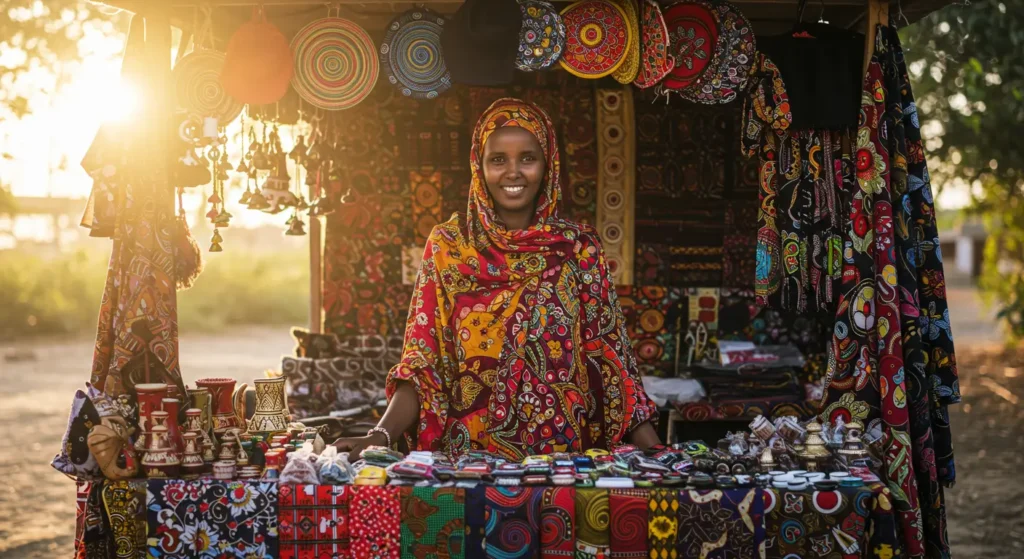
Women have also stepped forward in this entrepreneurial landscape, challenging stereotypes and creating spaces for themselves in tourism. Female-led cafés, cultural tour initiatives, and craft shops are beginning to gain visibility. This is particularly significant in Somalia, where women have often been excluded from leadership roles in public life. By stepping into tourism, women entrepreneurs are not only generating income but also reshaping gender norms in subtle yet powerful ways. Their presence sends a strong message to the next generation—that the rebuilding of Somalia’s tourism industry belongs to everyone, regardless of gender.
The broader economic implications of these entrepreneurial efforts are equally important. Every guided tour creates jobs for drivers, interpreters, and local artisans. Every new café or guesthouse generates opportunities for suppliers, farmers, and fishermen. In this way, tourism acts as a multiplier that touches multiple sectors of the economy. For a country seeking stability and recovery, these small ventures collectively form the backbone of a grassroots development model. It is not foreign investors or large corporations leading this revival, but ordinary young Somalis who believe in their country’s potential.
International observers are beginning to take note as well. Development agencies and NGOs working in Somalia often highlight entrepreneurship as a tool for peacebuilding and stability. Tourism, in particular, is increasingly seen as a sector with the ability to transform perceptions both locally and globally. A traveler who shares a positive experience in Somalia becomes a powerful ambassador, countering years of negative publicity with a single personal story. That ripple effect can gradually shift the narrative, making Somalia a more attractive destination for investment and cultural exchange.
Looking ahead, the future of Somali tourism will likely continue to rest on the shoulders of these entrepreneurs. They may not yet attract mass tourism, but they are laying the foundation for a sustainable industry built on authenticity, community, and resilience. Their guided tours, cafés, and cultural initiatives are not just businesses—they are acts of faith in Somalia’s future. Each risk they take is a declaration that Somalia deserves to be seen not only through the lens of its past but through the promise of its people and landscapes.
In the end, the rise of entrepreneurs in Somali tourism is about more than economics. It is about identity, pride, and the courage to dream beyond conflict. It is about reclaiming the beauty of a nation that has been overlooked for too long. From the guided tours in Mogadishu to the beachside cafés run by diaspora youth, Somalia’s tourism entrepreneurs are writing a new story—one that proves that even in the most challenging environments, hope and opportunity can flourish. And if they succeed, Somalia may yet transform from one of Africa’s most unlikely destinations into one of its most inspiring.